
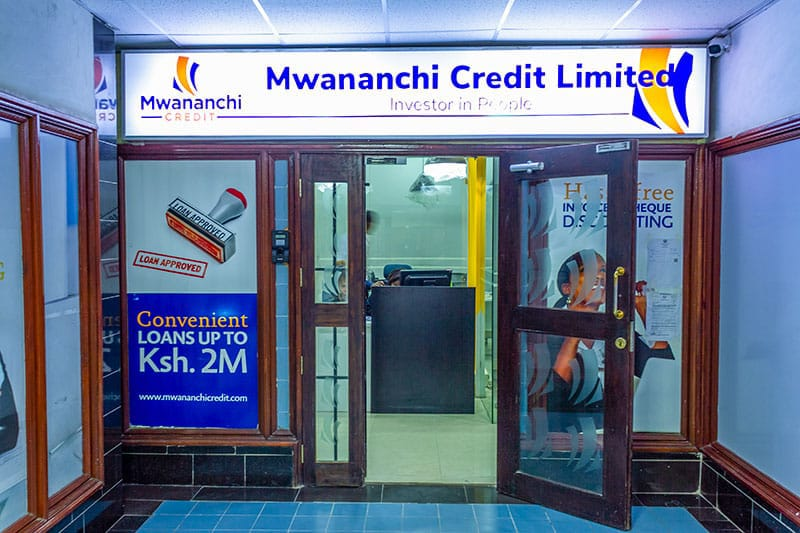
A Nairobi businessman has taken Mwananchi Credit Limited and its director to court over a Range Rover that has been held for nearly eight years. Bryan Yongo Otumba and Wayaga Construction Company say the vehicle, a Range Rover Autobiography registration KCH 856A, was given as security for a Sh4 million loan advanced in November 2016.
What started as a straightforward commercial arrangement quickly turned into a long and costly dispute.
According to the court papers filed in August 2026, the lender applied interest at 10 percent per month compounded and added a default penalty of five percent per week.
The amount claimed soon grew far beyond the original sum. When disagreements arose over the outstanding balance, Mwananchi Credit reported the matter to the police in March 2018.
Yongo was charged in a criminal case that was later dismissed. The lender also filed a civil suit seeking over Sh7 million. The businessman now seeks more than Sh27 million in compensation for loss of use of the vehicle, legal costs, and the drop in its value after years of storage.
This case fits a pattern that many Kenyans have complained about for years. Borrowers have repeatedly told courts that Mwananchi Credit’s interest and penalty charges make repayment almost impossible.
In one well-known matter, a Sh7 million loan was said to have ballooned to Sh22 million. The High Court later cut the demand back to the principal amount, finding the extra charges excessive and unenforceable.
In another dispute, traders who borrowed Sh2.5 million and repaid Sh3 million still faced claims of more than Sh9 million. Judges have described some of the calculations as difficult to understand and have blocked the sale of seized vehicles.
Similar stories appear across multiple court files. A company that borrowed Sh50 million saw the figure rise to Sh177.5 million in less than two years. Other borrowers have reported that even after paying more than the original principal, logbooks were not released and vehicles remained under the lender’s control.
Courts have applied the in duplum rule, which limits interest to the amount of the principal, and have ordered the return of logbooks in several cases.
Public complaints and parliamentary attention have also focused on the wider group of logbook and micro-lenders.
Treasury officials have warned about firms that appear more interested in seizing assets than helping customers clear their debts. Despite these warnings and repeated court setbacks, the latest suit shows that the same high-interest structures and aggressive recovery methods continue to affect ordinary Kenyans and business owners.
Yongo’s petition does not stand alone. It adds another public record of how a modest loan can lead to years of lost use of an asset, criminal complaints, and large claims for damages.
For many who have followed these disputes, the case serves as fresh evidence that the practices that sparked earlier outcries have not disappeared. Borrowers still find themselves facing rapidly growing balances, prolonged detention of vehicles, and legal battles that stretch on for years.
The court will now decide whether the detention of the Range Rover and the surrounding actions were lawful, and whether the businessman is entitled to the compensation he seeks.




Leave feedback about this