

Plans for the Rironi-Mau Summit Highway are gaining shape as the Directorate of Public Private Partnerships (PPP) shared new details about tolling arrangements that will apply once the road becomes operational.
The directorate explained that not every motorist will be required to pay toll charges, with four specific categories of vehicles set to be exempted or charged lower fees.
These include ambulances, police and military vehicles, as well as local traffic belonging to residents living along the highway corridor.
This move aims to ensure fairness while also protecting essential services from additional financial burden.
In its Sunday announcement, the directorate clarified that the toll rates will not remain fixed over time.
Instead, they will be subject to regular review and adjustment depending on the prevailing economic conditions in the country.
This approach, according to the agency, will help balance infrastructure maintenance costs with the public’s ability to afford toll charges, especially during tough economic periods.
The directorate added that tolling is generally introduced on newly constructed or significantly upgraded highways that handle high volumes of both passenger and cargo traffic and serve as critical trade and transport routes.
Each project, the statement continued, must go through a clear and structured process before tolling begins. This process includes feasibility studies, environmental and social assessments, public participation sessions, competitive procurement, and final approval by the PPP Committee.
The intention is to maintain transparency, accountability, and fairness throughout the development and implementation stages of the project.
The clarification came after the Kenya National Highways Authority (KeNHA) announced that a proposal had been made to set the toll rate at Ksh8 per kilometre for motorists using the expressway.
The proposal immediately sparked public debate, with some road users expressing concern that the charges might be too high.
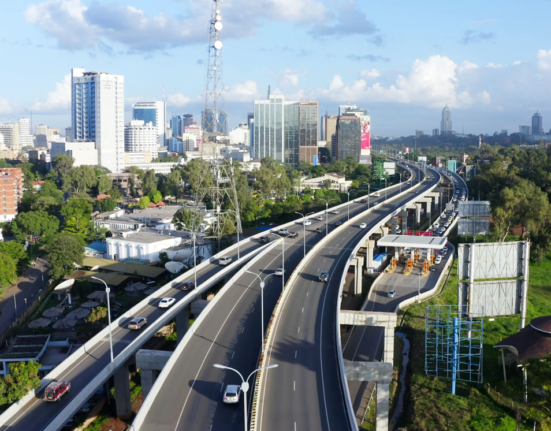
According to KeNHA, the expressway will operate under an open tolling system, where motorists will only pay for the distance travelled rather than a flat fee.
The road will have eight toll stations strategically placed along its 175-kilometre stretch.The proposed toll rate was developed by the consortium of China Road & Bridge Corporation (CRBC) and the National Social Security Fund (NSSF) Board of Trustees, who were selected as the preferred proponents for the project.
The evaluation committee that reviewed the bids noted that the proposal by CRBC and NSSF met all the legal and technical requirements under the Public Private Partnerships Act, recommending a toll rate of Ksh8 per kilometre with an annual escalation of one percent.
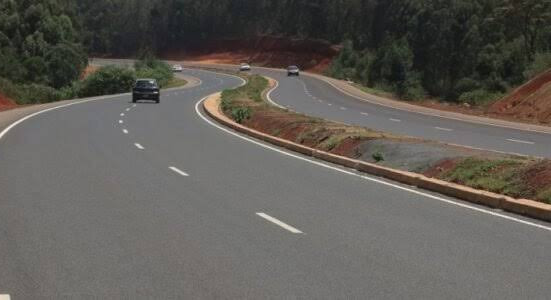
Once completed, the highway will include 15 interchanges, eight footbridges, 25 kilometres of service lanes, eight wildlife crossings, 41 underpasses, 41 U-turns, and 118 bus bays.
The PPP Directorate noted that toll collection will not only help fund road maintenance but will also enhance safety and efficiency.
Funds collected will be used to support continuous patrols, road lighting, and emergency response services, including paramedics and rescue teams, all operating around the clock.
The directorate emphasized that tolling is a sustainable way to ensure that critical road infrastructure remains in good condition while offering users faster, safer, and more reliable transport. The Rironi-Mau Summit Highway is expected to transform transport between Nairobi and western Kenya, easing congestion and promoting trade across the region.
Leave feedback about this