
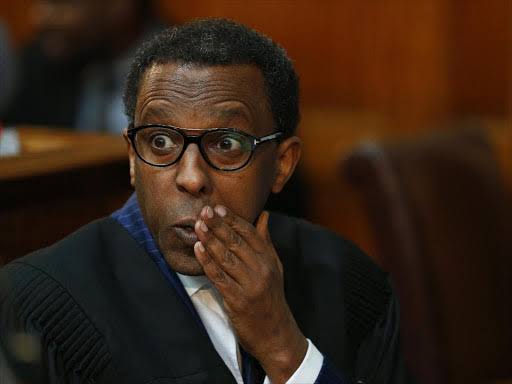
A statement by Senior Counsel Ahmednasir Abdullahi has sparked public debate, after he weighed in on the proposed acquisition involving Japan’s Asahi Group Holdings and UK-based Diageo, which are linked to a reported deal to acquire a 65 per cent stake in East African Breweries Limited (EABL) valued at about KSh 340 billion.
In comments shared online, Ahmednasir suggested that the ongoing legal and regulatory processes surrounding the transaction were being influenced by improper motives.
He alleged that persistent court cases and regulatory hurdles were preventing the deal from going through smoothly.“…the endless litigation and regulatory roadblocks stopping the deal means some people can’t let a deal worth Kshs 340b pass without their cut…this is Kenya bwana…lipa pesa…” he said in a post that quickly circulated on social media.
The remarks have ignited fresh conversation around major corporate transactions in Kenya, especially those involving foreign investors and high-value assets.
While some users online echoed concerns about delays in major deals, others criticised the statement, arguing that such claims risk undermining confidence in the country’s legal and regulatory systems.
Neither Asahi Group Holdings nor Diageo has publicly responded to the remarks. EABL has also not issued a statement regarding the alleged acquisition or the claims made in the online post.
The reported transaction, which has been the subject of speculation in financial circles, would represent one of the largest corporate deals in Kenya’s consumer goods sector if concluded.
However, such deals typically undergo multiple layers of scrutiny, including regulatory approvals, competition assessments, and shareholder processes.
Legal experts note that large-scale acquisitions often attract litigation or regulatory review, particularly where questions of market dominance, valuation, or compliance arise.
These processes, they say, are designed to ensure transparency and protect consumer and investor interests.
The online comments have nevertheless stirred a wider debate about how major investments are handled in Kenya, with some observers pointing to a pattern of prolonged approvals in high-value transactions.
Others insist that regulatory checks are necessary and should not be interpreted as obstruction.