
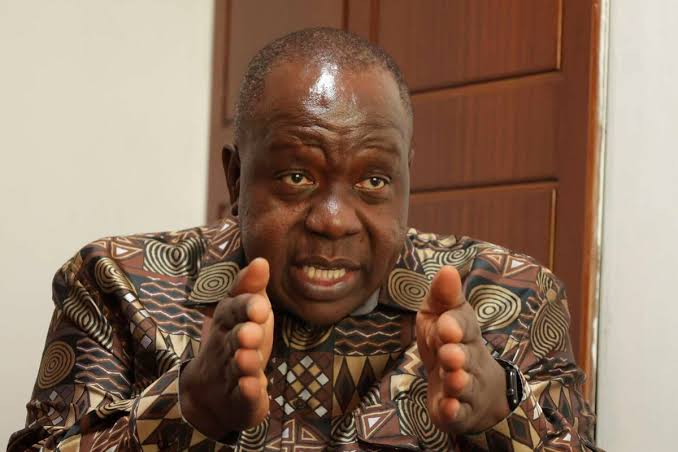
The Ruaraka land controversy has once again returned to public discussion, placing renewed attention on the role of former Interior Cabinet Secretary Dr. Fred Matiang’i and reviving questions that have remained unresolved for years.
As political activity begins to gather pace, the issue is expected to feature prominently in debates about accountability and public leadership.
The dispute centers on a 14-acre parcel of land along Thika Road that the government purchased for about Sh3 billion. From the beginning, the transaction attracted public concern, with critics questioning the property’s valuation and the process that led to the payment.
Those concerns later became the subject of investigations and parliamentary scrutiny.
One of the major issues raised during the inquiries was the absence of the original title deed. The Ministry of Lands was unable to produce the document when requested by Parliament, a development that intensified suspicion and prompted allegations of possible wrongdoing.
The missing records also fuelled claims that there may have been attempts to conceal important information surrounding the transaction.
At the time, reports also emerged alleging that some civil servants feared cooperating with investigators because they risked disciplinary action or dismissal.
Although such claims became part of the wider public debate, they remained contested as investigations continued.
A government task force later reviewed the matter and sought to clear the transaction.
Even so, the controversy never completely disappeared, with many Kenyans continuing to question whether every aspect of the deal had been fully explained.
The renewed focus on the Ruaraka land saga is likely to present fresh political challenges for Matiang’i, who built a reputation as a firm and results-driven public official during his years in government.
His critics are expected to revisit the controversy as they seek to question his record, while his supporters may argue that previous reviews addressed the matter.
It is once again raising broader questions about transparency, public land management, and accountability in the use of taxpayers’ money.

Leave feedback about this