
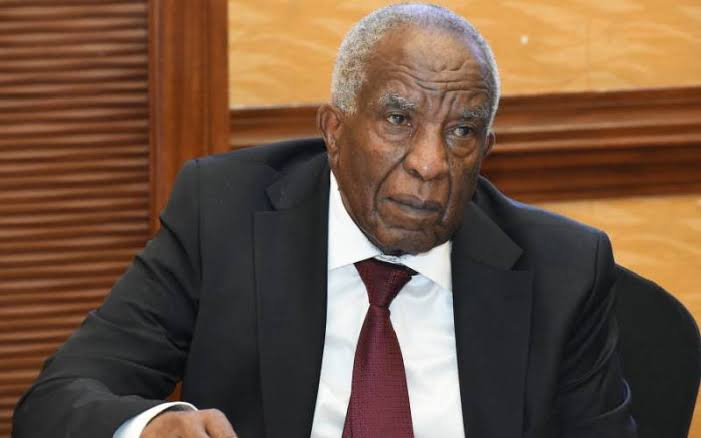
A long-running business battle has once again surfaced in Kenya’s mining sector, this time involving powerful local tycoons and Chinese investors fighting over control of the lucrative coal fields in Kitui.
At the centre of the dispute is the Mui Basin, an area believed to hold coal worth more than Sh3.9 trillion. For years, the dream of turning this resource into a major energy project has been held back by disagreements, unpaid fees, and competing claims of ownership.
The Chinese firm Fenxi Mining Industry Co. Ltd says it has been pushed into a corner for more than a decade, accusing the government of allowing Peter Munga and George Kariithi to interfere with its 21-year concession in the basin.
Fenxi was awarded the rights in 2011 and later brought in Great Lakes Corporation, owned by Mr Munga and Dr Kariithi, as its local partner.
Under the agreement, Great Lakes was expected to pay Sh500.9 million toward the concession fee, while Fenxi would clear the remaining portion.
According to Fenxi, Great Lakes never paid its share. This, the Chinese investors say, forced them to end the partnership in 2018. Since then, Fenxi argues, the government has continued to entertain Great Lakes as if it were still part of the project, even after being formally informed of the termination.
The firm says it has reached a point where it may file an arbitration case in Mauritius, as provided in the original agreement, unless the government gives the approvals needed for coal extraction to begin.
The Chinese company also points to an advisory that was issued by the Attorney-General in 2020. In that opinion, the AG stated that Fenxi remained the legal concession holder and could choose to proceed alone or work with another local partner.
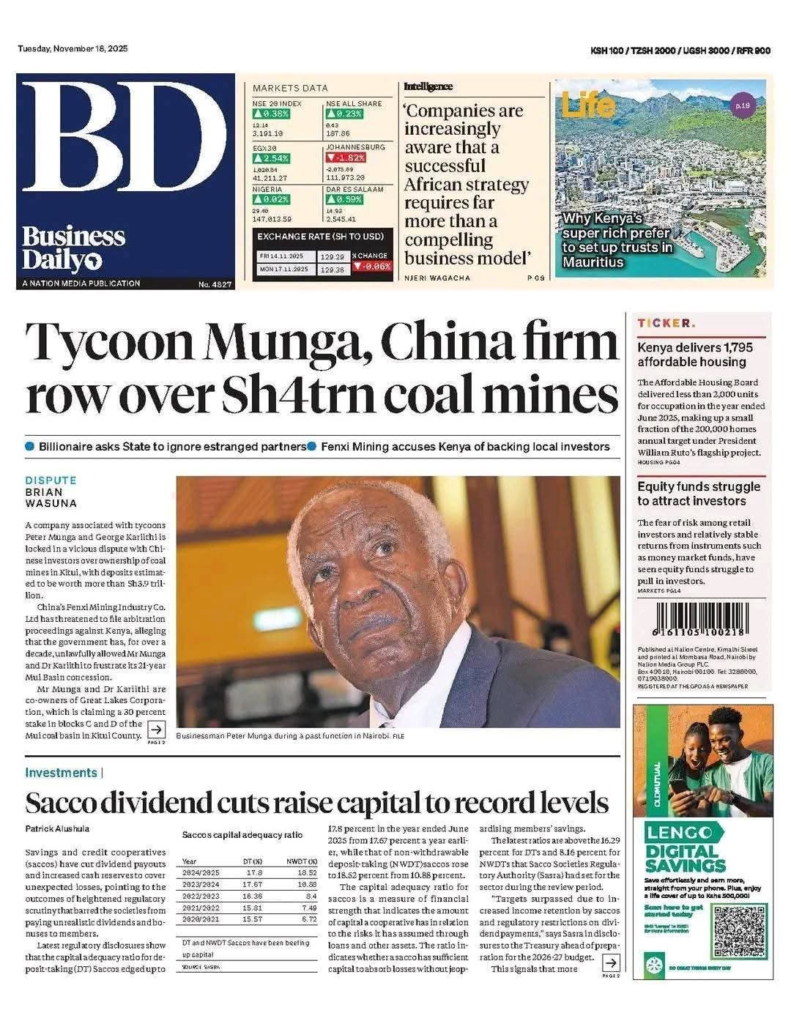
Fenxi has already selected Dorse Gems International Ltd as its preferred partner, but claims the government has refused to grant the necessary consent.
On their part, Mr Munga and Dr Kariithi insist that the concession belongs to the consortium created in 2013, not Fenxi alone.
They argue that once the benefit-sharing agreement was signed, the rights shifted to the joint entity. Over the years, they have told the government that plans to raise the required concession fee were in progress, even naming global firms like Deloitte Beijing and HSBC as advisers helping them secure funding.
But Fenxi maintains that no payment ever came through.The Mui Basin covers about 500 square kilometres and holds an estimated 400 million tonnes of coal.
With such massive deposits at stake, the dispute has grown more intense. Each side claims the other is standing in the way of Kenya’s chance to benefit from the resource.
If the standoff continues, the matter may be settled not in Nairobi, but at an international arbitration table in Mauritius, marking yet another chapter in a project that has struggled to leave the ground for more than a decade.
Leave feedback about this