
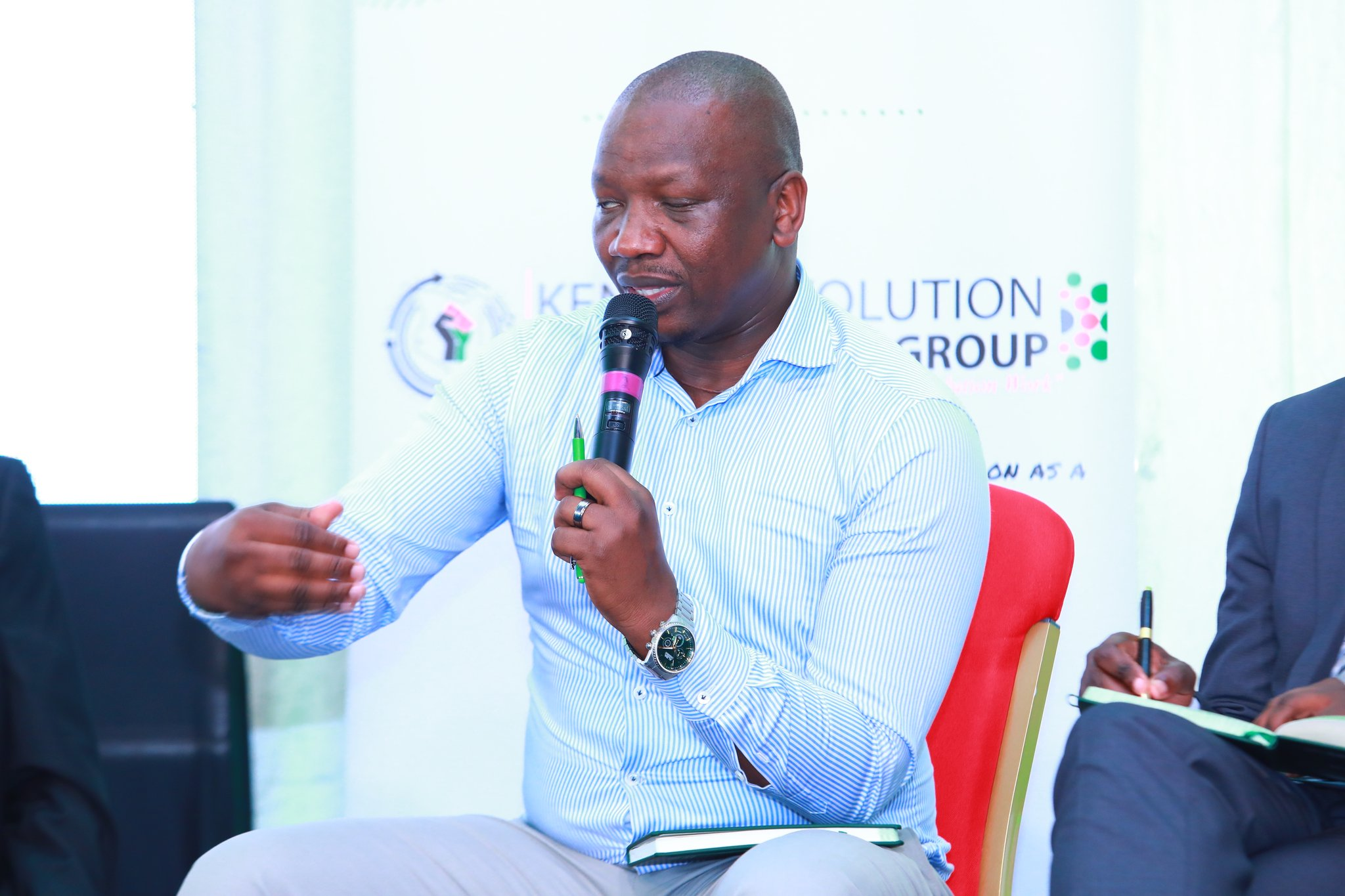
For an institution that was expected to play a central role in strengthening devolution, the Intergovernmental Relations Technical Committee now finds itself at the centre of a storm that threatens its very existence.
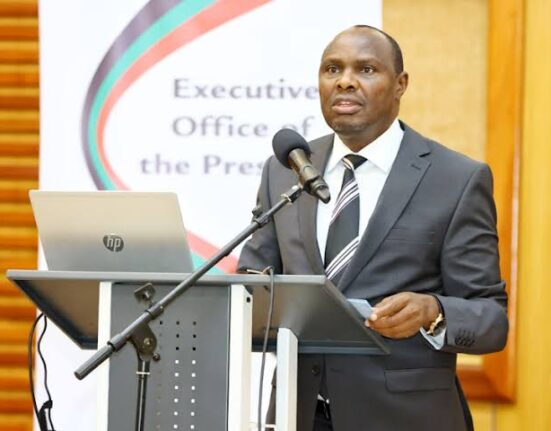
Once designed to improve cooperation between the national and county governments, the agency is today struggling under the weight of allegations that have cast doubt on its leadership and integrity. At the centre of the crisis is Chief Executive Officer Kipkirui Chepkwony, who has been accused of mismanagement, arrogance, and corruption, with insiders pointing to him as the reason the body is almost grinding to a halt.
The most damaging claim concerns the mysterious disappearance of KSh 250 million, funds that were supposed to support important government programmes.
Instead, several employees allege that the money was redirected to finance the construction of a lavish mansion in Nairobi’s Karen suburb, believed to be linked to the CEO. If these accusations are confirmed, they would represent not only a major breach of public trust but also a direct violation of the Public Finance Management Act and the Economic Crimes Act.
The impact has been immediate, with salaries delayed, suppliers left unpaid, and core projects stalled, leaving staff demoralized and the committee’s image badly tarnished.
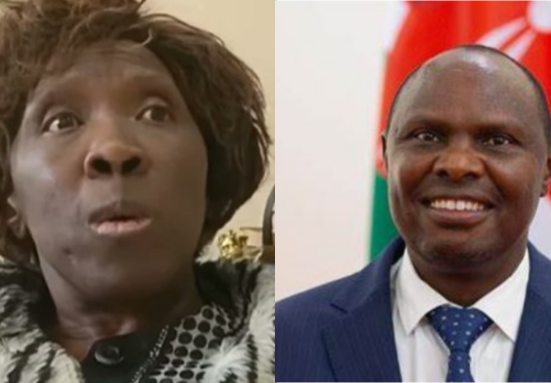
Chepkwony is also accused of creating a culture of intimidation that has destroyed staff morale. Former acting CEO Agnes Ndwiga is said to have been stripped of her responsibilities and humiliated publicly, while employees who dared to question decisions reportedly faced punishment or dismissal.
In contrast, those loyal to the CEO appear to enjoy protection and rewards, regardless of their competence. Even the IGRTC Board has not been spared, with Chairman CPA Kithinji Kiragu allegedly sidelined and left powerless, while the CEO enjoys privileges such as multiple government vehicles funded by taxpayers.
The claims extend further, with allegations of ghost workers still drawing salaries, millions of shillings lost every month, and legitimate employees stripped of benefits.
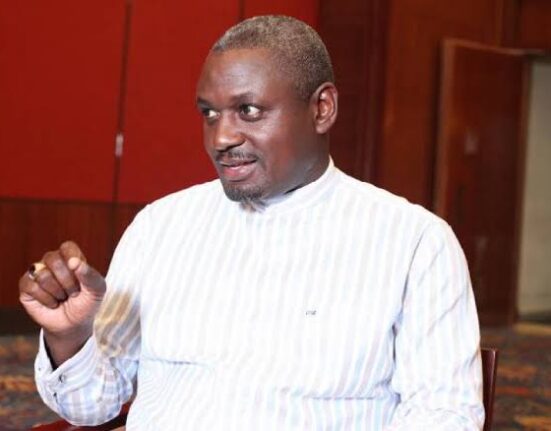
These actions have painted a picture of an institution run not for public service but for personal enrichment. What makes the situation more complicated is the suggestion that Chepkwony is shielded by political connections, particularly his alleged ties with Head of Public Service Felix Koskei.
Critics argue that this political cover explains why the Ethics and Anti-Corruption Commission has remained largely silent on the matter, despite the gravity of the accusations.
The collapse of trust in IGRTC has wider consequences for the country. Its work is central to managing relations between the two levels of government, and its dysfunction threatens service delivery, budgeting, and policy implementation across counties.
With its reputation in ruins and staff working in fear and uncertainty, the agency risks being reduced to little more than a ceremonial shell. Unless urgent reforms are made and accountability enforced, the IGRTC may become another example of how institutions meant to serve the public good can be turned into private fiefdoms by those in power.
Leave feedback about this