

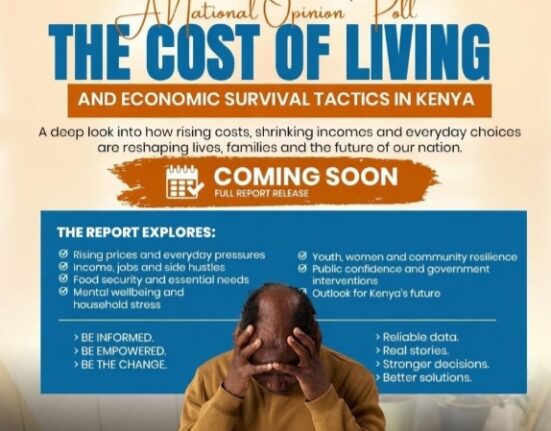
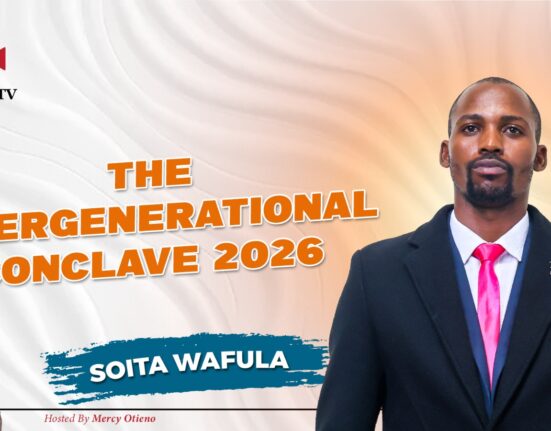
Mwelekeo TV has become a vital platform in Kenya for exploring everyday issues through data-driven discussions, using research from Mwelekeo Insights to understand public opinion across the country.
The platform simplifies complex topics, often inviting policy experts to explain how government decisions shape the daily lives of ordinary citizens.
In 2025, Kenya’s fiscal focus centers on the Finance Bill, designed to increase revenue while addressing concerns about fairness and job creation. This bill proposes repealing tax exemptions for medium-sized enterprises, a move that could raise costs for small business owners and affect their operations directly.
It also broadens the definition of royalties and limits loss carryforwards to five years, potentially increasing expenses for companies in mining and other sectors.These changes have a direct impact on citizens, who experience higher living costs, a situation reinforced by IMF-backed programs that have already pushed up prices for essential goods.
Mwelekeo Insights’ research highlights a gap between fiscal policy and public participation, showing that many Kenyans do not engage with budget forums, leaving them unaware of how these policies influence their lives.
Their findings point out that fiscal decisions affect key areas such as education and healthcare, with youth and women being among the most impacted groups.
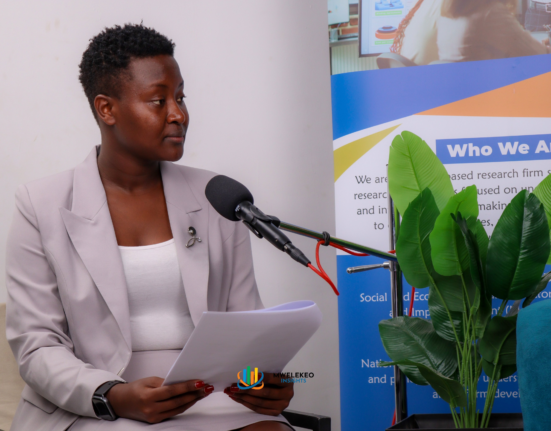
In recent episodes, policy expert Angel Mbuthia discussed how investing in education and technology can help offset the economic pressures brought about by these policies.
She emphasized that fiscal measures supporting learning and innovation provide women with tools to navigate rising costs effectively.
Kenya’s economy is projected to grow by 5.3 percent in 2025, but high debt levels continue to strain household budgets.
Interest payments on national debt consume about a third of tax revenue, leaving less funding for social programs that support low-income families.
Mwelekeo Insights points out that these debt vulnerabilities make fiscal management fragile, affecting job stability and overall economic security.
Protests in mid-2025 mirrored those from the previous year, with citizens pushing back against tax increases that they view as burdensome and lacking clear benefits.
These reactions underscore the need for policies that tackle corruption and promote fairness, a goal highlighted in the 2025 Finance Bill.
Mwelekeo TV often connects these real-world responses to their data, showing how public sentiment can drive calls for improved governance.
Expanding cash transfers, as recommended in economic updates, could alleviate poverty by putting more money into the hands of citizens during fiscal tightening. Young people face unique challenges, such as limited job opportunities, despite government incentives.
Mbuthia noted that recognition programs for young leaders encourage engagement with economic issues and foster innovation despite fiscal constraints.
Mwelekeo TV also examines cultural shifts, such as debates around bride price alternatives, illustrating how families adjust finances under changing tax rules.
Mwelekeo Insights ensures credibility in its findings through robust methods, providing reliable data on how fiscal policies ripple across society.
Their monitoring and evaluation services track the effects of revenue changes and service delivery, helping citizens understand the direct consequences of government decisions.
As Kenya pursues a bottom-up economic approach in its 2025/26 budget, these insights highlight opportunities for inclusive growth.
Discussions on Mwelekeo TV emphasize how informed participation and balanced leadership allow citizens to influence fiscal directions.
From urban workers facing higher taxes to rural communities seeking better infrastructure funding, fiscal policies touch every Kenyan. By linking data with dialogue and amplifying voices from all counties, Mwelekeo Insights helps promote policies aligned with public needs, reducing the stress caused by fiscal challenges.
Their sentiment analysis uncovers the emotions behind economic opinions, guiding responsive interventions and ensuring that strategies not only target growth but also address inequality in practical ways.



Leave feedback about this