
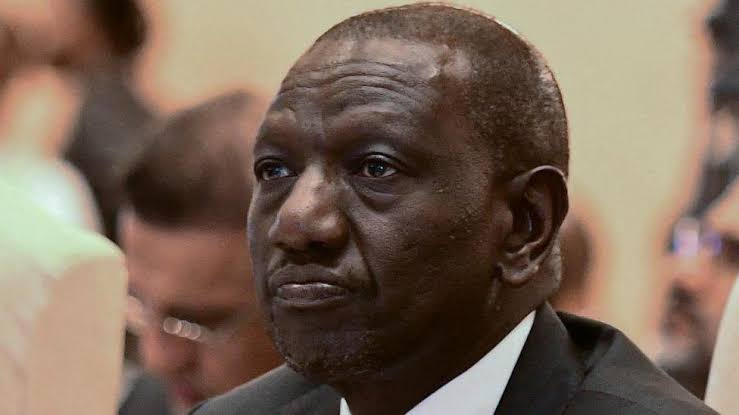
Kenya is now facing serious concerns under President William Ruto’s leadership, according to recent reports by The Economist and many Kenyans on social media.
What was once seen as a stable democracy is now showing signs of growing repression, economic hardship, and social tension.
These developments are worrying both locally and internationally as more people begin to question the direction the country is heading.
Many observers believe that under Ruto, Kenya has become more authoritarian, especially in how the government is handling protests and criticism.
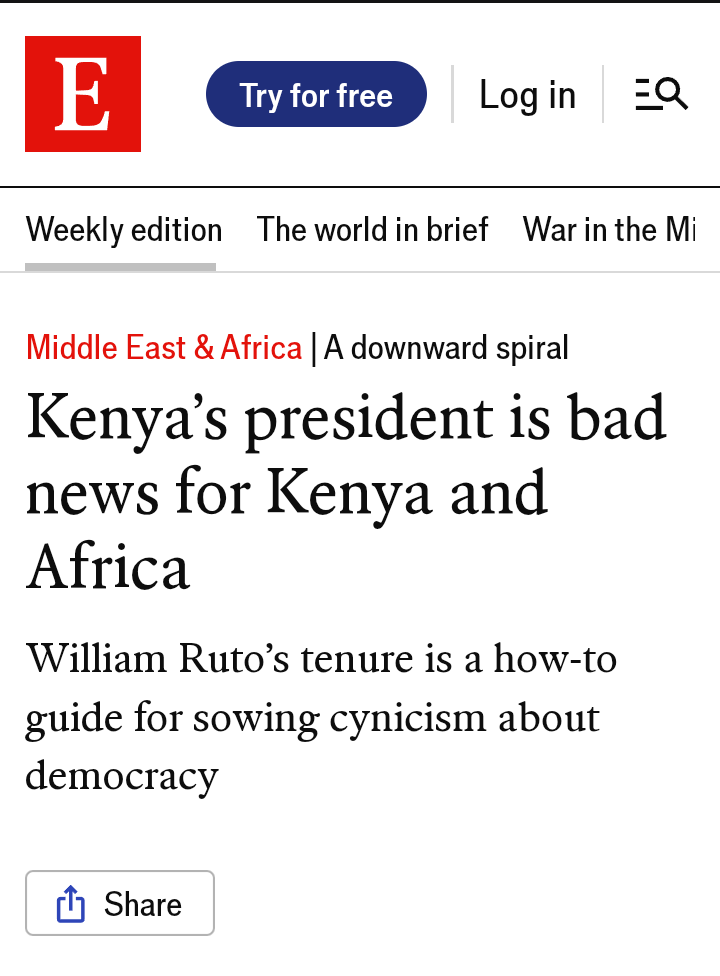
One major point of concern is the recent violent response to protests.
On June 25, 2025, police opened fire on peaceful demonstrators in Nairobi, killing 19 people and injuring hundreds.
This protest marked the anniversary of the 2024 Gen-Z demonstrations, where at least 63 people had also been killed by police.
There are now numerous accounts of abductions, where individuals are taken at night by unknown men, beaten, and interrogated about their involvement in protests.
Although the police deny these accusations, survivors tell a different story. The government has also been criticized for banning live television coverage of protests until a court ruled against the ban.
The interior minister even called the protests a coup attempt and praised police actions, showing little sympathy for those killed or injured.
These incidents have caused many to lose faith in the justice system and fear for their freedoms. The weakening of key institutions like the courts is only adding to the frustration.
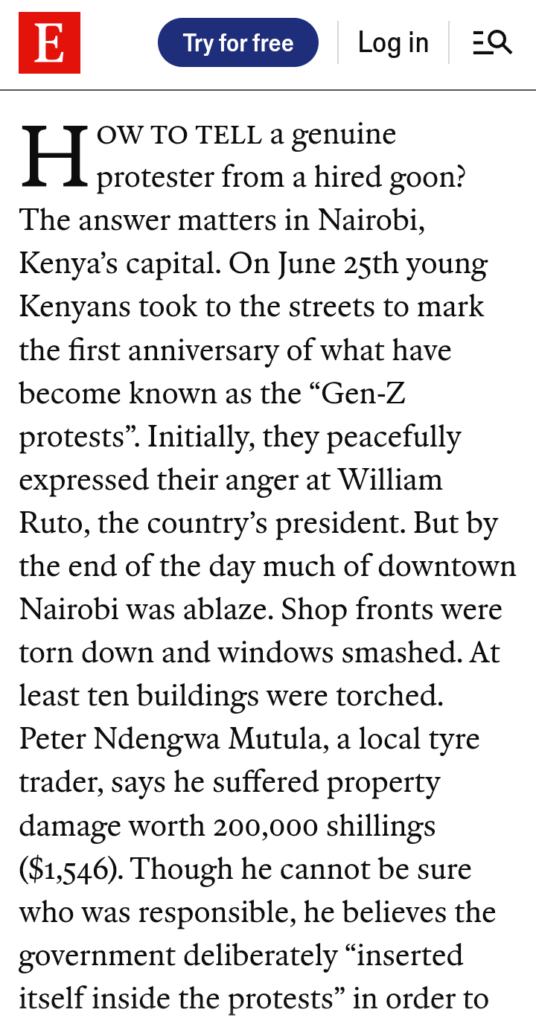
As these rights continue to be threatened, many believe that democracy itself is in danger. This is making it harder for the country to attract investment or maintain a positive image internationally.
Businesses have taken note, with major multinational companies such as GlaxoSmithKline and Procter & Gamble deciding to leave the country.
Their departure is not just about profit, but also about uncertainty and a lack of trust in the country’s leadership and policies.
Economically, things are not looking good either. Many Kenyans feel that life has become more expensive and job opportunities are shrinking.
President Ruto’s government has introduced tax changes that have only made things worse.
The cost of living has gone up, and the economy is not growing as expected. Compared to former President Uhuru Kenyatta’s last term, the current performance is seen as disappointing.
According to a 2024 Afrobarometer survey, more than half of Kenyans believed the country was moving in the wrong direction, and almost half disapproved of Ruto’s leadership.
These figures reflect the growing dissatisfaction among the population.
Socially, the country is also becoming more divided. Kenya has more than 40 ethnic groups, and tensions between communities seem to be rising. Critics argue that Ruto’s leadership style is making things worse by encouraging tribal divisions instead of national unity.
The weakening of courts and constant conflict between citizens and the government is not helping either.
With all these challenges, many are worried about where the country is headed.
Despite the negative trends, there is still a chance for things to change. Ruto’s term is not over, and some believe that policy adjustments could improve the situation.
However, if things continue as they are, the damage may become too deep to fix quickly.
The international community and Kenyans themselves must speak out and push for reforms. Democracy, economic recovery, and national unity are not impossible to achieve, but they require strong leadership, respect for rights, and honest governance.
If Ruto fails to deliver, then serious discussions about the 2027 election may need to begin sooner than expected.


Leave feedback about this