

The events that unfolded in Nairobi on June 25, 2025, left the city in ruins and exposed deep failures in leadership.
At the center of this chaos is Governor Johnson Sakaja, who is now facing serious questions about his role in what many have called an organized looting spree masked as protests.
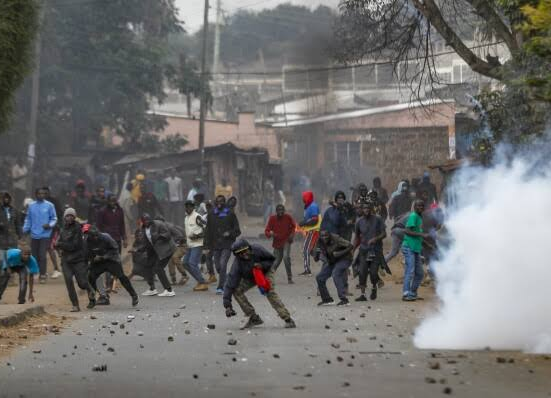
As demonstrations demanding justice for Albert Ojwang and the resignation of Deputy Inspector General Eliud Lagat turned violent, shops in Nairobi’s CBD were looted in broad daylight, some even under what appeared to be police protection.
This was not just a case of opportunistic theft, it looked planned, and all fingers point toward City Hall.
George Diano, a prominent political commentator, directly accused Sakaja of creating the perfect environment for looters which occurred during the Gen Z protest whom were demanding justice for their fallen heroes.
He alleged, in a post on X, that the governor allowed goons to roam free and loot, especially in the OTC area on June 25, where businesses were attacked while law enforcement stood by. These allegations weren’t made in a vacuum. They were backed by video evidence showing young men with clubs chanting in support of Sakaja outside City Hall.
In a city gripped by fear and destruction, such scenes don’t inspire confidence they provoke outrage.
Sakaja has gone on a media campaign to deny these accusations. He claims he was in Lugari and had no role in any alleged meetings with the groups behind the chaos. He even labeled the looters as criminal outsiders and called for their arrest. But these denials are not holding water. Traders who lost everything aren’t interested in carefully worded statements or PR moves they want answers.
And the public is not buying the idea that the governor knew nothing about the groups wreaking havoc right outside his own offices.The damage speaks for itself. According to reports from The Star and Reuters, shop owners like Josephine Apondi lost millions of shillings in electronics, with others counting losses in hundreds of thousands.
From Quickmart to Moonstar Hotel, the economic cost of this breakdown is staggering. Entire businesses were wiped out overnight. Streets were turned into battle zones, and residents watched helplessly as their city burned.
Meanwhile, the governor who was supposed to safeguard Nairobi’s future is now caught between denial and a growing public demand for accountability.
Sakaja’s attempt to deflect blame toward his political enemies only worsens the situation. He accused unnamed rivals of hiring the goons to frame him, but no evidence has been provided to support this theory.
What cannot be ignored, however, is that the looters chanted his name. They marched with confidence, some wielding weapons, as if protected by authority. These are not isolated incidents. They reflect a larger failure of leadership, one that has allowed thuggery to creep into Nairobi’s political and social fabric.
The consequences are not just political. This has hurt the economy, shaken investor confidence, and destroyed livelihoods.
The credibility of the county government is in question, and Sakaja’s name is now tied to one of the darkest days in Nairobi’s recent history. No matter how strongly he denies the claims, the public will not forget the images of destruction, the cries of betrayed traders, and the footage of goons chanting his name as they vandalized the city.
In the eyes of many Nairobi residents, this wasn’t just looting it was betrayal. Sakaja was entrusted to protect the city, not preside over its collapse in an organised crime to frame peaceful protesters.
The calls for transparency and accountability will not go away, and no PR campaign can clean up the mess that has already been made.





Leave feedback about this