
Taxation in Kenya feels like a weight on everyone’s shoulders these days, and Mwelekeo TV has been at the center of breaking down what this means for ordinary people.
It is not just about numbers on a payslip or the extra shilling at the supermarket till. It is tied to bigger issues such as roads that are supposed to be repaired, schools that need to remain open, and a government that citizens can put their trust in.
Through its research arm, Mwelekeo Insights, the organization has been listening to voices across the country, from busy Nairobi streets to quiet rural corners.
What they find is a clear message: many Kenyans believe taxes are too heavy, often unfair, and directly linked to weak governance that does not deliver on promises.
Consider a small business owner in Eldoret or a family in Kisumu. When they pay taxes, they do not see the returns in better hospitals, reliable electricity, or quality education.
Instead, they are met with corruption stories, incomplete projects, and unending scandals that make it look as if the money disappears without trace.
The studies carried out by Mwelekeo Insights show that this frustration is not something new. It has grown over the years and connects to rising costs of basic goods like unga and fuel, as well as to the protests seen earlier this year, especially from young people.
Many Kenyans are no longer just complaining. They are connecting their struggles directly to a taxation system that feels designed to benefit a few while leaving the majority struggling.
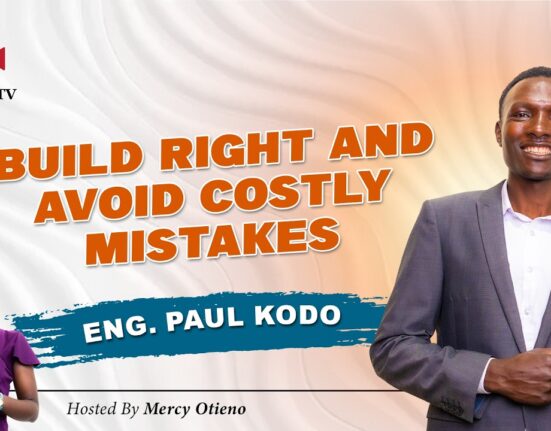
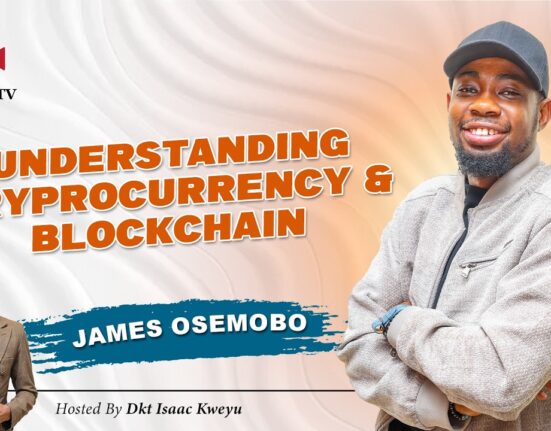
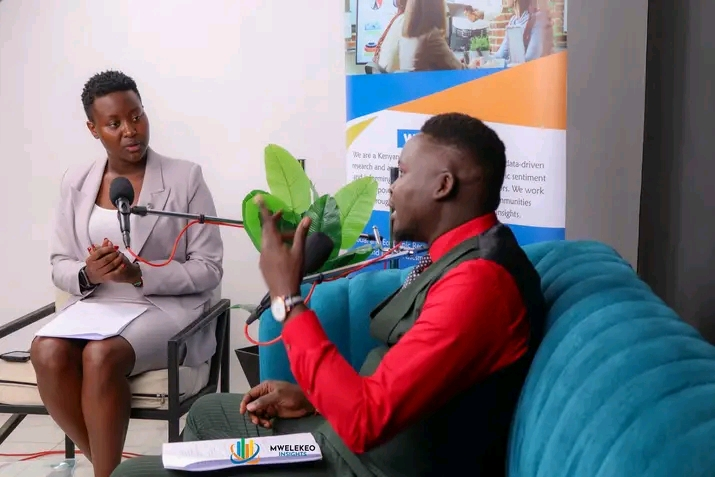
Mwelekeo TV has stepped in to make this conversation more engaging and relatable.
Anchors such as Fridah Mong’are bring calm and thoughtful discussions on issues that affect everyone. In a recent episode focused on fiscal policies, the program explored Kenya’s ballooning debt, which now stands at more than 70% of the country’s GDP.
They explained how this debt cycle forces higher taxes and service cuts, which in turn affect daily life, from rising rent to higher transport costs.
The program also drew comparisons with other African countries like Zambia, which fell into deeper crises when debt became unmanageable, leading to shortages and power cuts.
The platform does not stop at exposing problems. It sparks dialogue by asking what could change if Kenyans trusted that their taxes were put to good use.
Mwelekeo Insights stresses that public trust is the backbone of any successful fiscal policy.
Without it, even the best-planned strategies fail. By sharing personal stories, such as how education costs weigh on a mother’s budget or how levies affect a farmer’s seed purchase, they connect complex policies to real lives.
The show also emphasizes the need for transparency in government spending so that citizens can see how their money is being used.
Other countries offer lessons too. Rwanda’s example of careful budgeting, cutting waste, and focusing on real results has helped boost growth and improve services without triggering the same anger seen elsewhere.
Kenya could learn from such discipline by making efficiency a priority and involving citizens in budget talks.
Mwelekeo TV takes up this challenge by asking how Kenya can apply such ideas while still keeping its own character and values.
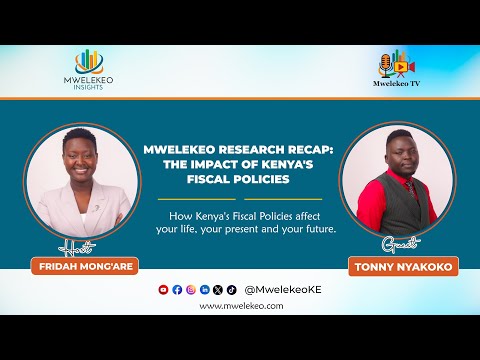
Mwelekeo Insights and Mwelekeo TV are not only sharing data or hosting debates. They are giving voice to frustrations and hopes that many Kenyans carry silently.
By mixing solid research with conversations that feel like sitting around a fireside, they are showing that change can begin when people feel heard.
If leaders took time to listen to these conversations, Kenya might see policies that restore confidence instead of eroding it.
Until then, platforms like Mwelekeo TV continue to hold space for dialogue, episode after episode, helping Kenyans understand the bigger picture behind the taxes that touch their everyday lives.