
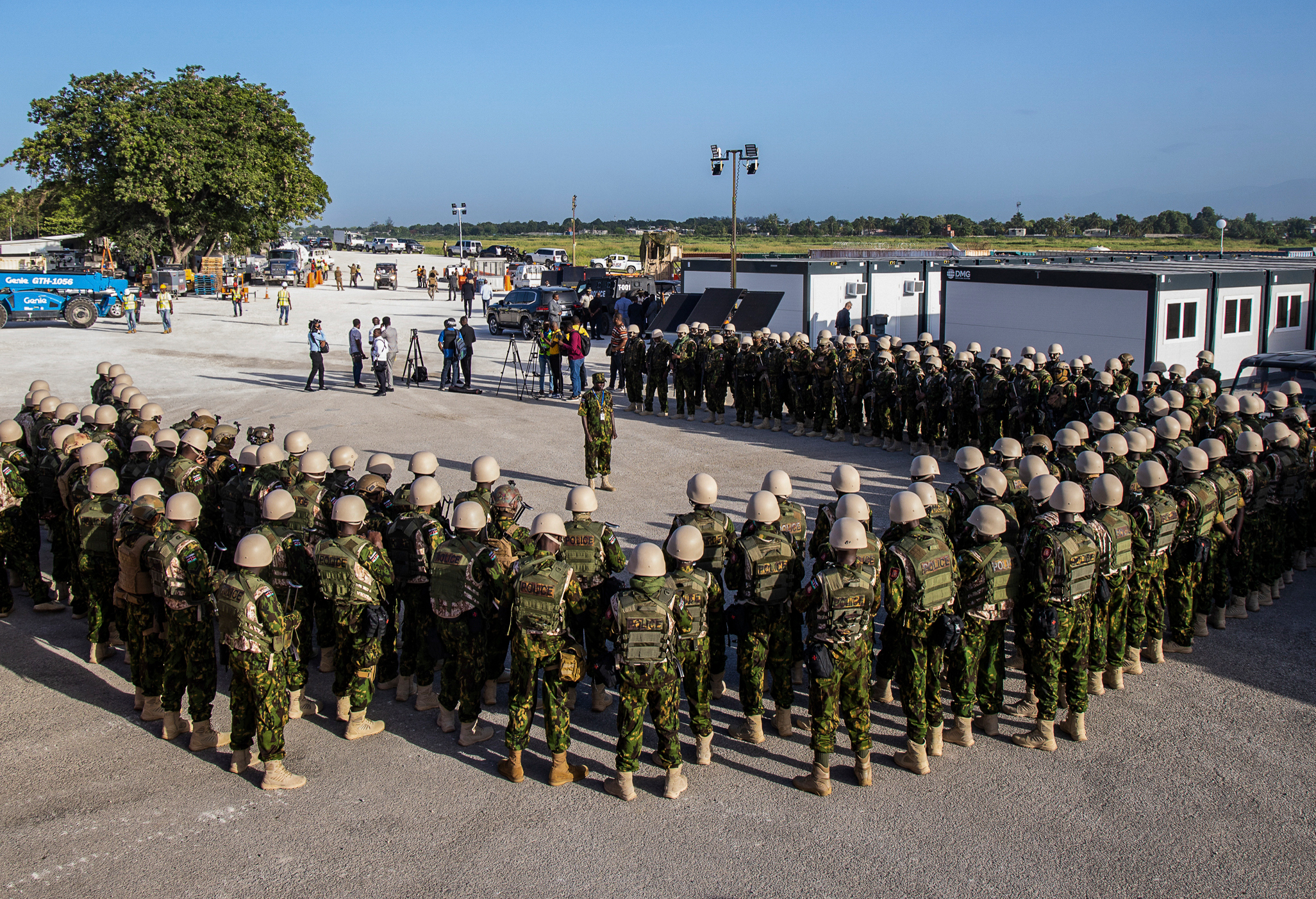
The United Nations is holding its 80th general assembly in New York, and one of the key issues on the table is the future of the mission in Haiti that is currently being led by Kenya.
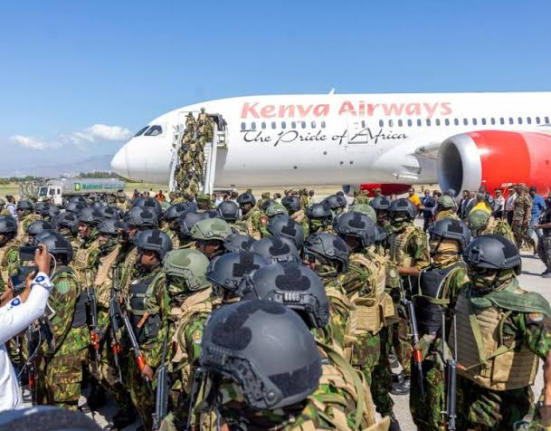
The multi-national security support mission, which now marks a year since the first group of Kenyan police officers arrived in Haiti, has faced a series of challenges that continue to test its effectiveness.
While the mission was meant to restore order and curb the growing power of criminal gangs in Port-au-Prince, the reality on the ground has proved more complicated.
Problems such as inadequate personnel and limited logistical support have slowed down progress and exposed the risks the officers face daily.
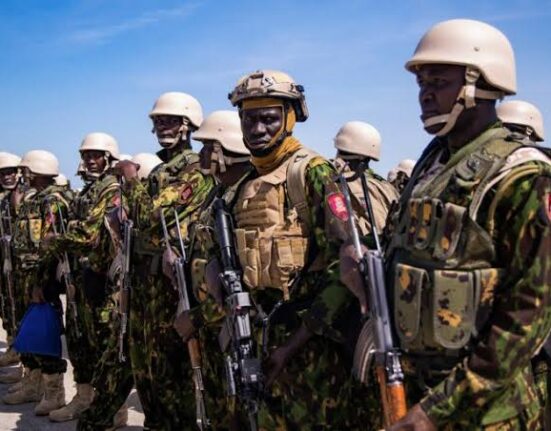
The Kenyan police leading the mission have been caught in a constant struggle with gangs who continue to dominate neighborhoods in the Haitian capital.
Operations to flush out armed groups often end up exposing the officers to greater risks because of the difficult conditions they operate under.
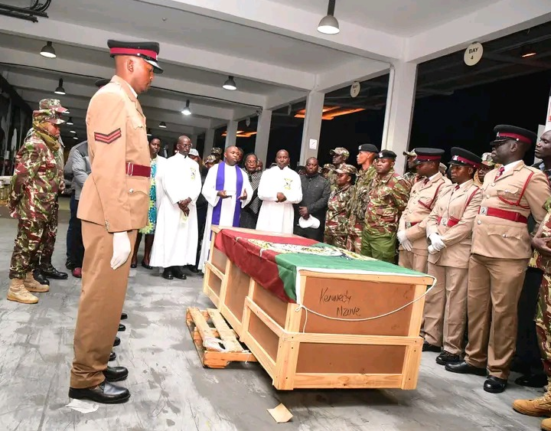
One of the most tragic incidents in recent weeks was the loss of Benedict Kabiru, a Kenyan officer who died after an armored personnel carrier was involved in an accident.
This highlighted how even the tools meant to protect the police have become part of the challenges. The roads in Port-au-Prince are narrow, curvy, and poorly maintained, making it extremely difficult for the heavy vehicles to move efficiently.
In many cases, these carriers end up stuck or immobilized, leaving the police vulnerable to attacks. Gangs have at times taken advantage of these situations, setting the vehicles on fire and ambushing officers.
Away from the dangerous streets, there is another part of the mission that is slowly shaping the future of Haiti’s own security forces.
The Kenyan police have secured the police academy in Port-au-Prince, turning it into a training ground for the next generation of Haitian officers. Young Haitians who have chosen to undergo this training see it as an act of sacrifice for their country, but it also comes with risks.
Failing the training and returning to communities controlled by gangs could put their lives in serious danger, as gang leaders see them as enemies or potential threats.
The academy, therefore, is not just about training police; it is about giving Haitians an alternative path out of gang rule.
Among the Kenyan officers at the academy is a group made up entirely of women, who have taken on this mission despite acknowledging the dangers involved.
For them, the deployment is not only about helping Haiti but also about proving that women can stand on the frontline in high-risk international operations.
Their presence sends a powerful message to both Haitian trainees and the wider mission, showing that resilience and determination go beyond gender.
The question remains whether the international community is willing to provide the resources and manpower needed to strengthen it. Without adequate support, the sacrifices of those already on the ground, both Kenyan officers and Haitians in training, may be undermined by the persistent strength of the gangs.
For Haiti, a country that has long suffered from instability, the stakes remain high, and the decisions made at the UN could shape whether the mission succeeds or struggles further.


Leave feedback about this