
Many schools across Kenya have been forced to end the term earlier than expected due to the government’s ongoing struggle to fix the capitation crisis.
The shortage of funds has disrupted normal school operations, with some institutions unable to sustain basic needs.
Although learners are beginning their two-month holiday, the early closures have left parents, teachers, and administrators frustrated.
According to the official school calendar, the third term was supposed to end on October 24, but several schools shut down days earlier because of funding delays.
The Treasury and the Ministry of Education have been trying to adjust the school funding calendar to match the government’s budget cycle, a process that has created major delays in releasing money to schools.
The transition from a January–December cycle to a June–June one has caused confusion and uncertainty, leaving institutions in a financial squeeze.
The government has so far released Sh22.1 billion to public schools, but some of these funds remain inaccessible due to ongoing audits.
The audits were launched after suspicions that some schools receiving funds did not actually exist.
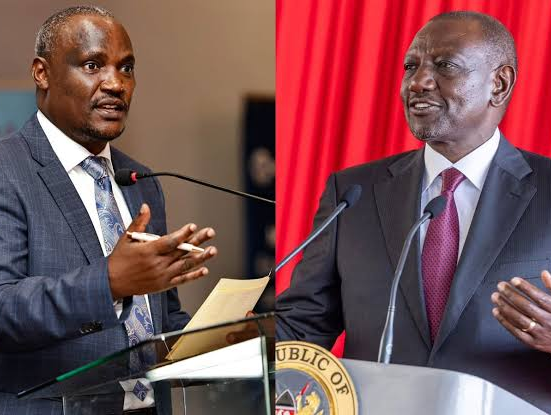
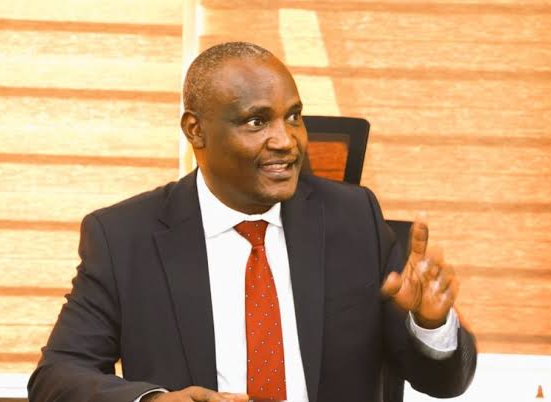
Basic Education Principal Secretary Julius Bitok said that out of 23,000 public primary schools, about 18,000 had received their full allocations, while the remaining 5,000 were still being reviewed.
Kenya has nearly 98,000 learning institutions, including pre-primary, primary, and secondary schools.
Despite the Education Ministry’s assurances that the Free Day Secondary Education funds had been disbursed, the ground reality told a different story.
Schools began closing as early as October 14, ten days before the official date. Parents were caught off guard, some receiving messages just a day before the early closures.
One parent in Nairobi said the sudden communication left families unprepared, especially those who depend on the school calendar to plan their schedules.
Parents in distant regions faced even greater challenges in organizing transport for their children on such short notice.
The Ministry clarified that it released Sh3,094.92 per student for the third term, plus small allocations to training institutions such as CEMASTEA and KEMI.
However, education experts pointed out that these funds are below the government’s own policy standards. Under the FDSE programme, each secondary school student should receive Sh22,144 annually, split across three terms. This year’s actual disbursements fell significantly short, with deficits recorded in all terms.
Kenya Secondary School Heads Association Chairman Willy Kuria said that schools have been struggling to meet operational costs, particularly those in rural areas affected by harsh weather.
He added that many principals have had to improvise while waiting for delayed funds, which has made it difficult to prepare for practical examinations.
The delays have also drawn criticism from Members of Parliament, who recently summoned Education Cabinet Secretary Julius Ogamba to explain the repeated setbacks.
Ogamba defended the ministry, saying the delays stemmed from an audit report by the Office of the Auditor General, which revealed that some schools receiving funds were not legitimate.
The Ministry has since begun verifying the number of genuine schools and learners before releasing additional funds.
This verification exercise, launched on October 8, 2025, is intended to enhance transparency and prevent future misuse of education funds.
While the effort aims to ensure accountability, the ongoing financial gaps continue to hurt schools and learners across the country.
Many parents now fear that unless the government resolves the capitation issue before the start of the next academic year, more disruptions could follow, deepening the crisis in Kenya’s public education system.