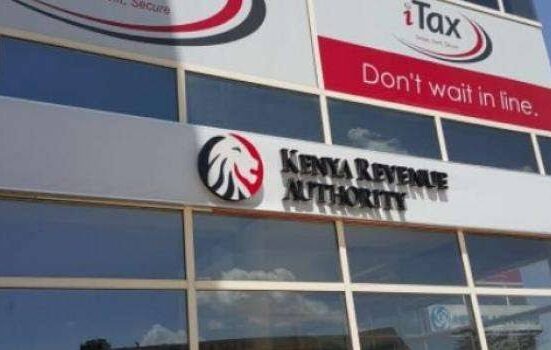


Sections of Kenyan employees were given relief on Tuesday as the Kenya Revenue Authority (KRA) announced tax breaks on gratuity payments earned after July 1.
This reform, enacted by the Finance Act of 2025, effectively implies that employees would retain more of their end-of-service compensation in a policy shift aimed at lessening the burden on taxpayers, particularly retirees and those leaving long-term occupations.
“Gratuity payments earned after 1st July 2025 are now exempt from income tax. This applies to both employees and employers,” a statement from KRA read.
Gratuity is a lump amount provided to employees by their employer when they retire or leave a job after many years of service.
Previously, gratuity was considered part of the employee’s income and taxed accordingly.
The exemption applies to both the public and commercial sectors, including employers who pay gratuity directly and those who remit it through pension systems.
KRA stated that, while a tax exemption was in existence, it did not apply to gratuities earned before July 1.
If you pay for work done before July 1, it will still be taxed, even if you pay after July 2025.In such a circumstance, employers must compute how much of the gratuity goes to each previous year (for up to four years) and apply the tax rates in force during those years.If the gratuity is for more than four years, the balance will be considered as income in the fifth year.
To establish tax responsibility, KRA instructed businesses to add the gratuity amount to the employee’s other earnings from the same year and calculate tax on the entire income.
If the employee was tax compliant and paid taxes on a portion of their income at the time, only the difference is required to be paid.
The KRA further stated that firms that pay gratuity into a registered pension system rather than directly to employees are eligible for some compensation.
In such circumstances, the cash may be tax-free if certain requirements are met.
One of the conditions that must be met is that the employee has not previously received a tax benefit for the donation.