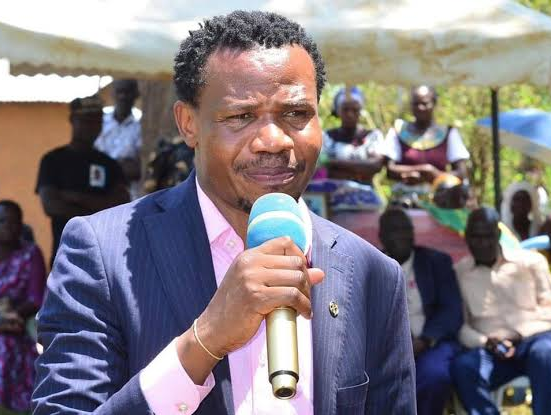

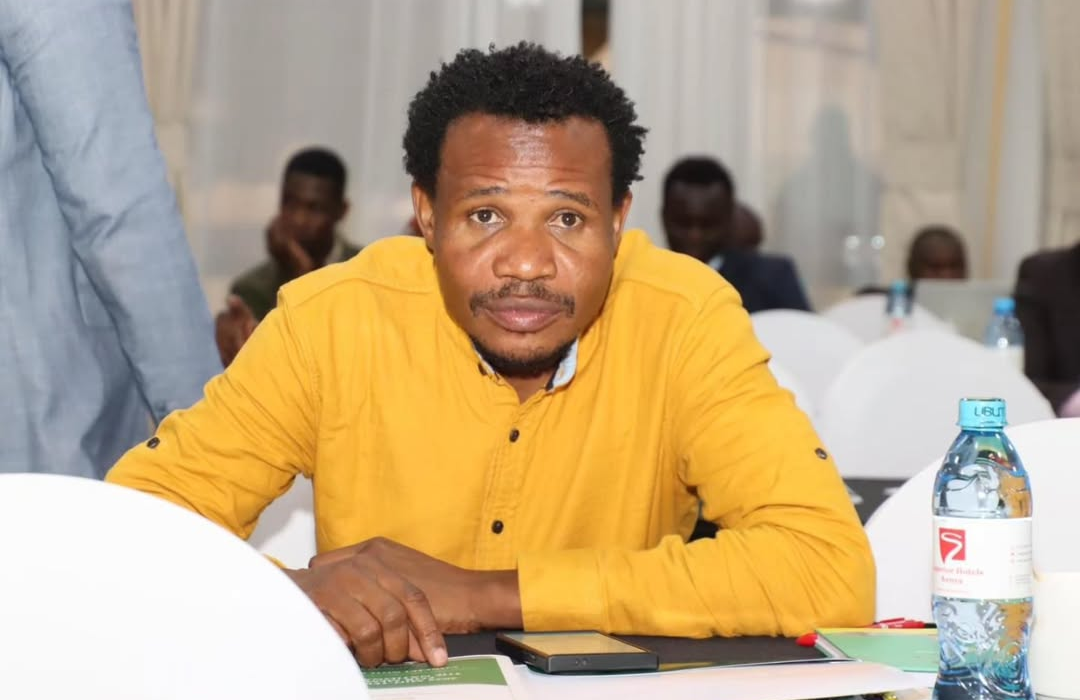
Peter Salasya, the MP for Mumias East, found himself in the middle of public criticism after a social media post on July 15, 2025, which many people say was misleading.
In his post, Salasya claimed to have delivered bursaries to 30,000 vulnerable students and even shared a photo of a KSh 39 million check from KCB Bank to support the claim.
However, the check was clearly dated April 10, 2023 over two years before the date of his post. This detail quickly sparked confusion and criticism, especially after a concerned Kenyan named Masaku pointed it out on X by simply saying, “Check the date.”
This statement alone was enough to start an online discussion that questioned Salasya’s intentions and honesty.
Many Kenyans online felt the MP was deliberately trying to make it seem like he had just disbursed the bursary funds, even though the event had taken place years earlier. Some people reacted with humour, suggesting maybe he didn’t realize the date would be noticed.
Others were more serious, accusing Salasya of trying to use past work for current political gain. A few even called him out for what they described as dishonesty, saying such tricks could damage the little trust people still have in politicians.
One user joked that the check “matured” that very day, while another accused him of mixing power and alcohol. The most consistent message, however, was that politicians like Salasya need to be more careful and honest in how they communicate with the public.
In response, Salasya defended himself, saying the post was only meant to remind people of what he had already done to support needy students. He insisted it wasn’t a lie but an example of his past development work.
Yet even with this explanation, many Kenyans felt the damage had already been done. For some, the issue was not whether the money was real or used properly, but the way the information was presented. When a leader chooses to share something like that, without making it clear that it happened years ago, people are likely to assume it’s a current event especially in a political environment where image matters a lot.
Salasya has always been an active figure online. He posts frequently about issues like education, fuel prices, and national leadership. He has also made it clear that he intends to run for president in 2027.
This means that everything he says or posts is now watched more closely than before. Even small errors or unclear messages can be used against him by his political rivals or disappointed supporters.
The bursary check post may have been an honest mistake, but it also reminded people that online posts from public figures must be accurate and clear.
Misinformation, even if unintentional, can create confusion and make people feel misled.
This incident also raises questions about how leaders should use social media. In a country where many people rely on online updates to know what their elected leaders are doing, honesty and clarity become even more important.
A simple misunderstanding or poorly timed post can easily spiral into a bigger issue, as seen in Salasya’s case.
Masaku’s role in highlighting the date discrepancy shows how ordinary users now hold power in shaping public conversations.
In the end, Salasya may have meant no harm, but the backlash shows that Kenyans are paying attention. They no longer just accept what politicians post without asking questions.
One careless post has already reminded the public that what matters is not only the work done, but how it’s communicated.