
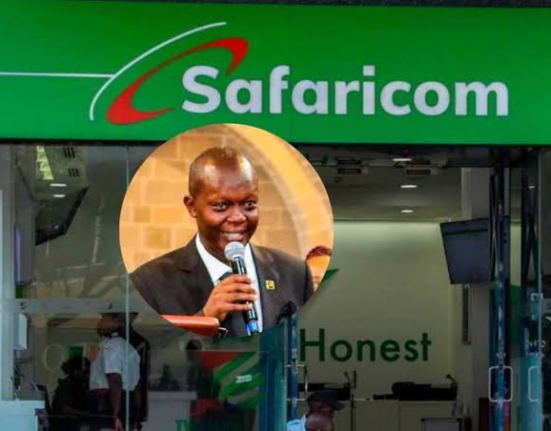
David Mokaya’s case is now exposing a much bigger problem than a single social media post.
The Moi University student is still facing charges after he was arrested last November for sharing an AI-generated image that showed a coffin with President William Ruto’s name on it. What he thought was satire has turned into a court battle over free speech and privacy rights. The case has been slow, with police witnesses and tech experts giving testimony, but their evidence has clear gaps.
There has been no solid proof that Mokaya’s post caused public panic, and even his link to the account in question has not been fully proven.What has shocked many Kenyans is the role Safaricom played in the case.
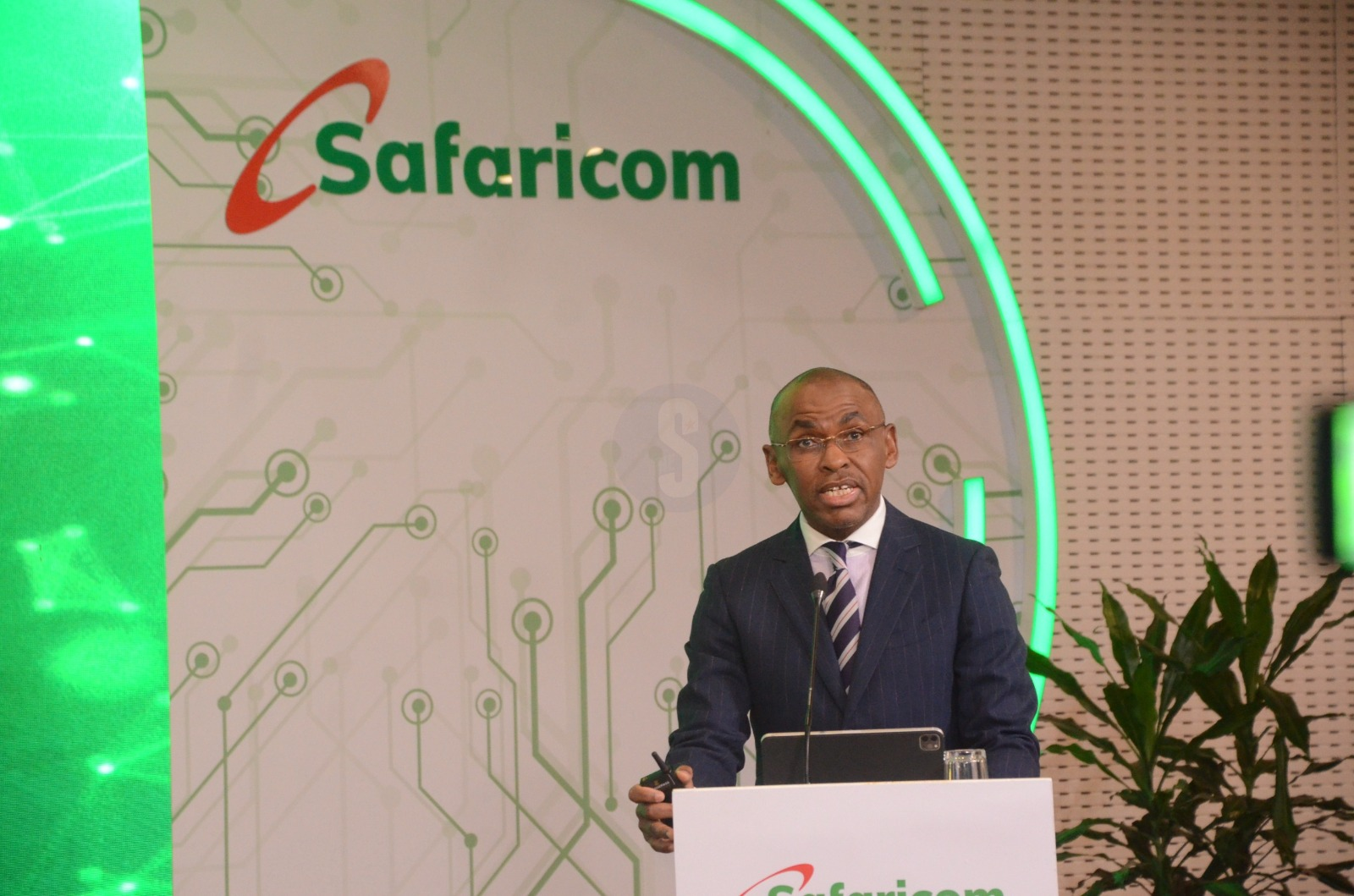
During a recent hearing, Safaricom’s security officer Daniel Hamisi admitted that the company gave police Mokaya’s private data without a court order. They shared his call records, text messages, ID details, and even his location just because a senior officer wrote them a letter.
This completely ignored the Data Protection Act and Article 31 of the Constitution, which say such data can only be released with proper judicial oversight.
Safaricom’s own rules also require a court order, yet they broke their own policy. This has raised questions about whether evidence against Mokaya is even legal.This is not the first time Safaricom has faced such accusations.
During the 2024 anti-government protests, many Kenyans accused the company of helping police track down activists. Some said police had access to people’s locations and messages without warning, leading to midnight arrests. Activists even claimed Safaricom’s system could let police spy on WhatsApp and X accounts.
The company has also been linked to a massive leak affecting 43 million users earlier this year.
Mokaya’s lawyers argue that the case shows a disturbing pattern where Safaricom sides with government agencies instead of protecting ordinary users. Police even took Mokaya’s devices before securing a search warrant, which makes the arrest look rushed and unlawful.
Online, Kenyans are calling for action, with some threatening to ditch Safaricom for Airtel. Human rights groups have offered to support Mokaya legally, saying this case could set an important precedent for data privacy.
If nothing changes, trust in Safaricom will keep dropping. Millions rely on it for calls, mobile money, and internet, but no one wants their personal data handed over without a fight.
Mokaya’s case could finally push for stricter enforcement of privacy laws and show that even big companies must follow the Constitution.


Leave feedback about this