
A highly controversial partnership between the National Transport and Safety Authority (NTSA) and KCB Bank has locked Kenyan motorists into what legal minds and consumer watchdogs are calling a state-sponsored coercion scheme, forcing citizens into physical bank queues to clear opaque and heavily contested traffic fines.
In a country globally celebrated for pioneering digital finance, the state has explicitly disabled mobile money platforms like M-Pesa for these penalties.
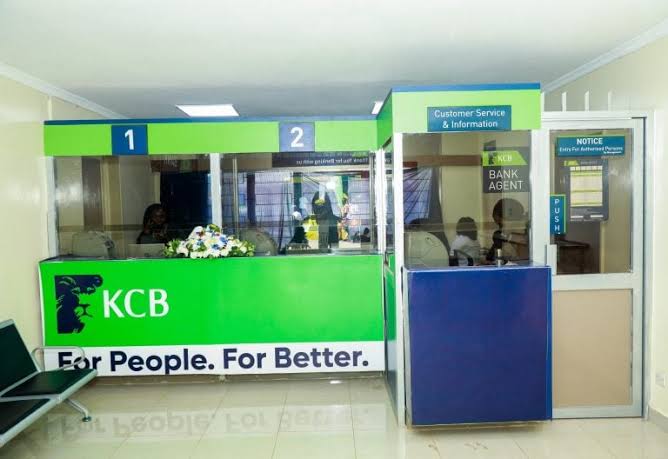
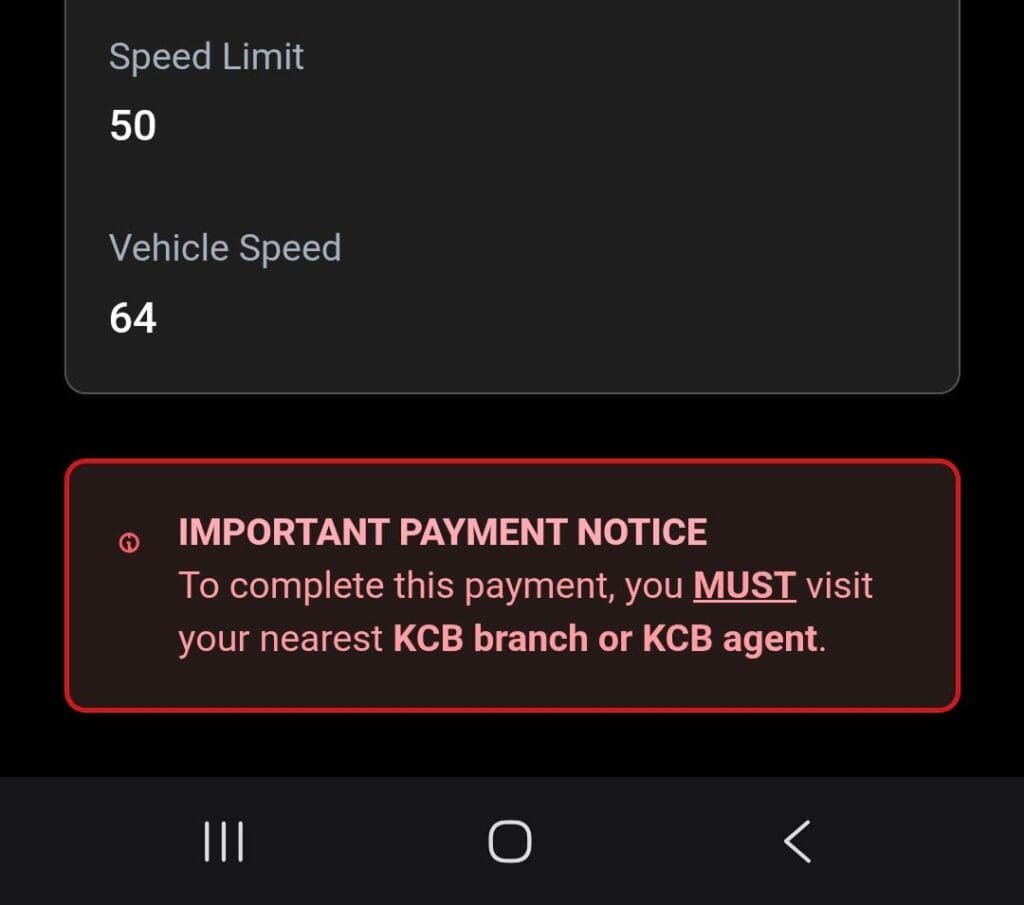
Instead, everyday drivers are being aggressively funneled into KCB branches and agent locations under a draconian seven-day ultimatum before facing service lockouts.
This artificial barrier raises an unavoidable question: why must a commercial bank hold a weaponized monopoly over public disciplinary revenue, if not to forcefully generate foot traffic and liquidity for its own corporate benefit?
The bureaucratic defense offered by NTSA—claiming that restricting payments to physical KCB locations is a temporary measure to shield motorists from mobile scammers crumbles under the weight of financial reality.

KCB is far from a neutral revenue collector in this setup. The bank is a primary stakeholder in a massive Sh42 billion, 21-year public-private partnership alongside Pesa Print to roll out the smart driving license project.
This consortium is explicitly projected to milk over Sh50 billion in gross returns directly from the pockets of Kenyan motorists through a combination of licensing fees, service charges, and automated fines.
By deliberately locking out ubiquitous digital alternatives, the system functions as an engineered funnel, ensuring a continuous, guaranteed stream of public money pours directly into KCB’s commercial accounts to secure their massive return on investment.
Beyond the economic extortion, this automated apparatus operates with a chilling disregard for the Constitution. By instantly slapping motorists with electronic fines without granting them an opportunity to defend themselves, the NTSA-KCB machinery completely obliterates the right to the presumption of innocence.
The High Court’s temporary suspension of the system underscores the gravity of this statutory violation.
Yet, the deepest outrage lies in the destination of the funds. The Road Safety Association of Kenya has openly demanded to know why public revenue from traffic offenses is bypassing traditional government channels and landing straight into a private commercial account.
Forcing millions of tech-savvy Kenyans into physical bank lines to feed a multi-billion-shilling private consortium is not modern law enforcement. It is institutionalized bullying disguised as road safety.