
The Independent Policing Oversight Authority (IPOA) is under serious criticism over how it is handling the investigation into the death of Albert Ojwang.
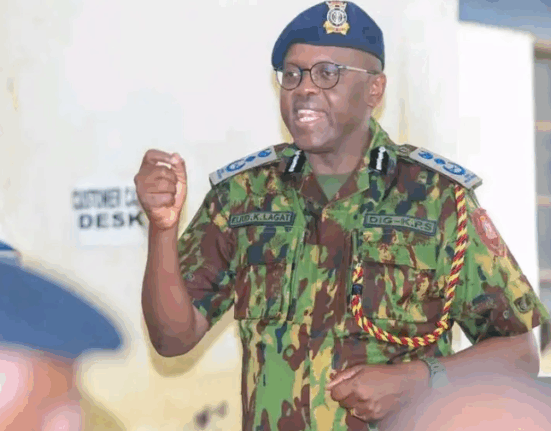
Many Kenyans believe that IPOA is protecting Deputy Inspector General Eliud Lagat instead of ensuring justice is served. This belief has grown stronger after it was revealed that Lagat was questioned in secret, unlike junior officers who were grilled publicly.
The secrecy around Lagat’s interrogation has raised questions about IPOA’s transparency and independence. Kenyans expected IPOA to be a neutral body that treats all officers equally, regardless of rank, but the current situation suggests otherwise.
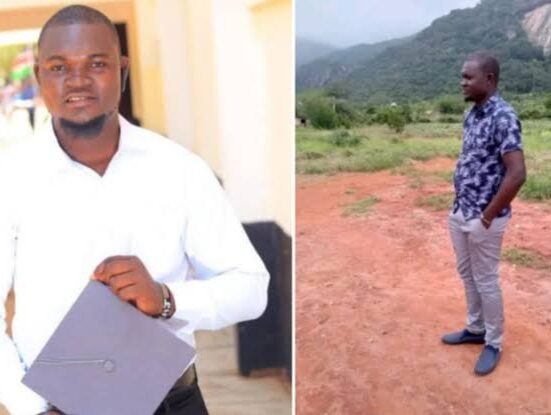
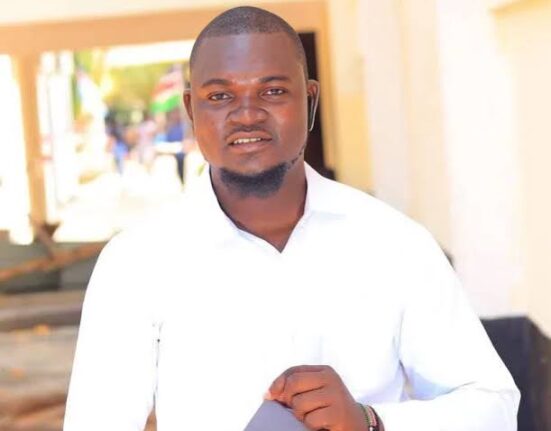
Albert Ojwang, a 31-year-old teacher and blogger, was arrested on June 6, 2025, in Homa Bay after DIG Lagat filed a complaint accusing him of spreading false information online.
Ojwang was then moved to Central Police Station in Nairobi. Two days later, he was found dead in his cell. The police initially claimed that he died after hitting his head on a cell wall, making it seem like he had hurt himself.
However, this version of events was proven false after an autopsy revealed that Ojwang had been assaulted.
The report showed head injuries, neck compression, and other signs of torture, suggesting he was killed while in custody.This revelation sparked national outrage.
Many Kenyans took to the streets in protest, demanding justice for Ojwang and calling for top officers to be held responsible.
Several junior officers, including Samson Talam and James Mukhwana, were arrested or removed from duty. But the focus has remained on DIG Lagat, who is believed to have triggered the chain of events that led to Ojwang’s death.
Despite his central role, Lagat’s interrogation was done behind closed doors, without any public communication from IPOA. This has led to accusations that IPOA is protecting him from public scrutiny.
Critics say that IPOA has failed in its duty to ensure fairness and transparency. Human rights groups and lawyers argue that if the authority can publicly question low-ranking officers, it should do the same for senior ones like Lagat.
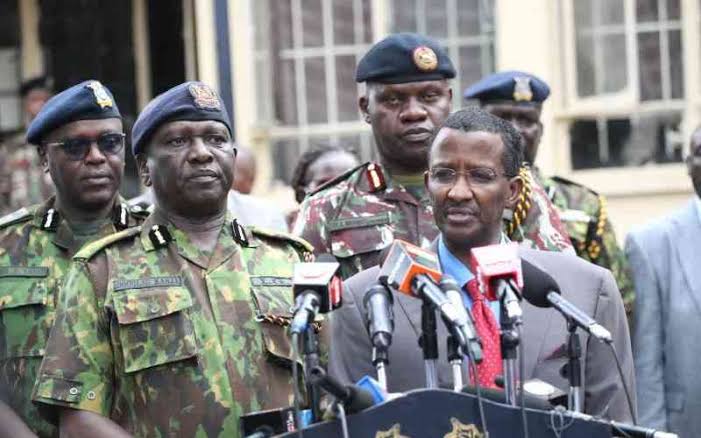
The situation worsened when IPOA Chairperson Isaack Hassan appeared at a press event standing next to Lagat and Inspector General Douglas Kanja, only days after Ojwang’s death.
Many saw this as a sign that IPOA was siding with the police rather than standing up for justice.The public pressure eventually forced Lagat to step aside on June 16, 2025, so investigations could continue without interference.
However, people are still watching closely to see if any real accountability will follow.
There is widespread fear that this case could be buried if IPOA does not act independently. Protesters have warned that they will not back down until justice is served and all those responsible are punished.
This incident has highlighted deeper problems in Kenya’s police oversight system. IPOA was created to protect citizens and keep police officers in check, but it is now being accused of helping to cover up a crime.
If the authority does not change its approach and show fairness in its investigations, it risks losing the public’s trust completely.
The death of Albert Ojwang was not just a tragedy it was a test of whether the justice system can stand up to power. So far, many believe that IPOA is failing that test.