
Political Ringside is increasingly becoming one of the key spaces where Kenya’s political figures are speaking more openly about power, loyalty and the realities shaping the road to 2027.
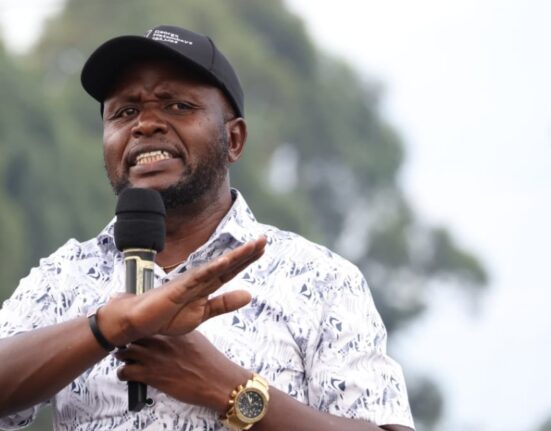
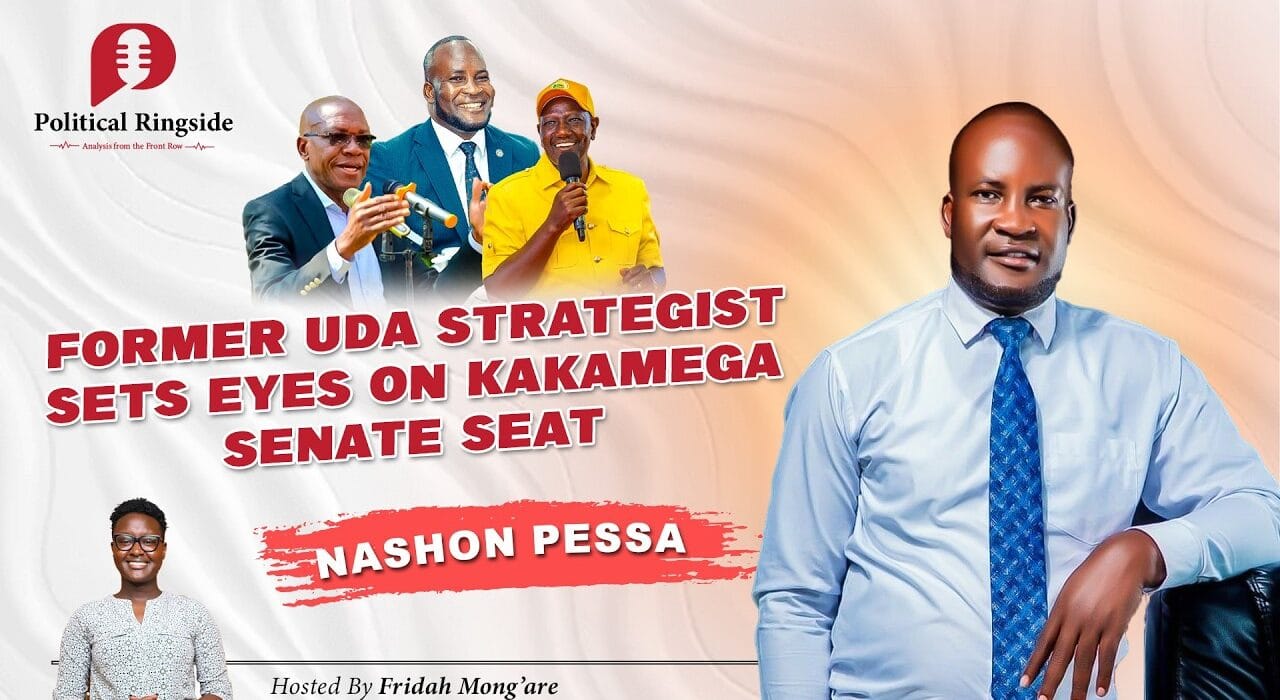
In its latest interview, political strategist and former UDA Executive Director Nashon Pesa gave a candid account of his journey in the ruling party, the frustrations building within Western Kenya politics and his plans to contest for the Kakamega Senate seat in the next General Election.
During the discussion, Nashon addressed claims that he exited UDA after falling out with senior leaders. He explained that his departure was not driven by anger or political isolation, but by the conclusion of a contract that had started during the campaign period that helped President William Ruto secure victory in 2022.
Even so, his remarks reflected concerns that many young political organisers within Kenya Kwanza have quietly raised over the last few years.
According to Nashon, many youthful mobilisers spent years building support for UDA at the grassroots level, only to feel ignored after the coalition formed government.
He argued that while young campaigners remained in the background handling rallies and mobilisation work, influential outsiders were rewarded with powerful government positions.
His comments highlighted a growing debate within the ruling coalition over whether loyalty and hard work were truly recognised after the election victory.

The interview also turned attention to the political mood in Western Kenya, where Nashon claimed many original UDA supporters feel disappointed by how power was shared after the election. He suggested that grassroots supporters expected greater recognition after helping the party penetrate a region that had traditionally leaned towards the opposition.
Nashon particularly pointed to the inclusion of senior regional leaders such as Prime Cabinet Secretary Musalia Mudavadi and National Assembly Speaker Moses Wetang’ula in the government structure after the election.
He argued that many early mobilisers believed their efforts were overshadowed once more established political figures joined the centre of power. According to him, this frustration has contributed to unstable political support in parts of Western Kenya, forcing constant political engagement from top government leaders in the region.
The conversation also gave a clearer picture of Nashon Pesa’s political ambitions ahead of 2027. He openly signalled interest in the Kakamega Senate seat currently held by Dr Boni Khalwale.
While he acknowledged Khalwale’s national profile and outspoken style, he criticised what he described as politics focused more on public confrontation than long-term solutions for residents.
Nashon said his focus would be on economic growth, industrial revival and employment opportunities for young people in Kakamega County.
He singled out Mumias Sugar as one of the key institutions that needs urgent revival, arguing that restoring industries in Western Kenya would create more sustainable opportunities for the youth. He maintained that temporary programmes and short-term jobs cannot fully address the region’s unemployment challenges.
One of the most controversial parts of the interview came when Nashon discussed voter behaviour in Kenya. He argued that elections have increasingly become expensive because many voters now expect direct financial support from candidates before offering political backing.
According to him, this has created a culture where politicians view elections as financial investments that must later generate returns.
He claimed senatorial campaigns in counties such as Kakamega can cost hundreds of millions of shillings, a situation he believes pushes some leaders towards corruption after taking office.
Nashon warned that unless voters and politicians change this culture, leaders may continue prioritising financiers and personal interests over public service.
The interview once again showed why Political Ringside is gaining national attention as a platform for direct political conversations.
At a time when many political interviews remain cautious and carefully managed, the platform is attracting leaders willing to openly discuss internal party tensions, campaign financing, regional politics and the growing battle for influence ahead of 2027.
Political Ringside is steadily positioning itself as an important platform where some of Kenya’s most sensitive political conversations are unfolding openly.