
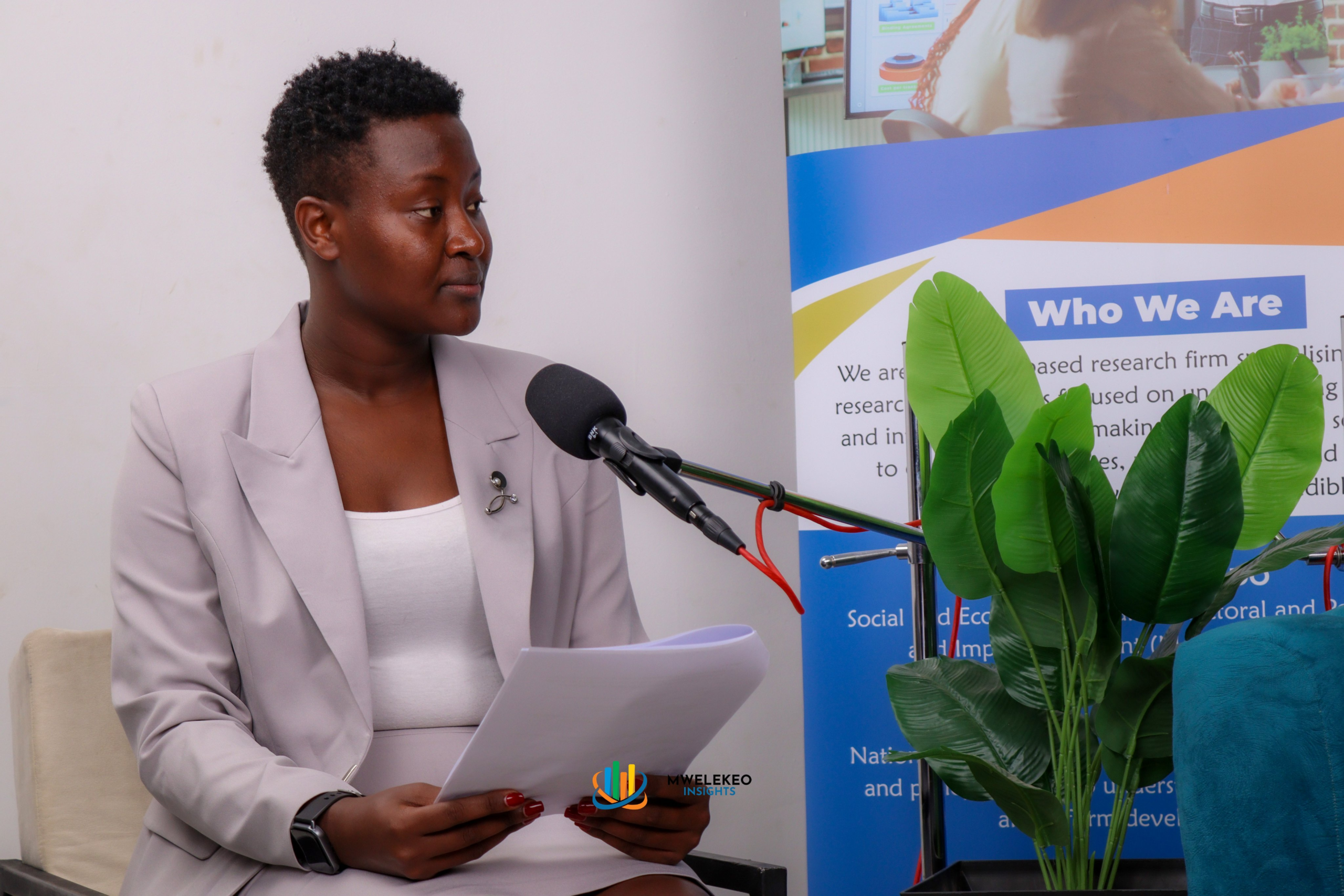
Everyday struggles like paying for unga, fueling your car, or settling school fees often feel like personal problems, but they are deeply connected to government policies. When you walk into a shop and notice that maize flour has become more expensive again, it is not just the store raising prices. It is part of a bigger picture shaped by how Kenya’s fiscal policies are designed. Mwelekeo TV has taken up the task of breaking down these complex issues into simple conversations that ordinary Kenyans can relate to.
Unlike mainstream outlets that bombard audiences with complicated economic terms, Mwelekeo TV is offering something fresh.
It is a platform created to collect real voices and opinions, merging them with research to explain how fiscal choices made by the government affect daily life.
Their YouTube channel has grown into a space where numbers and policies are not just dry statistics but are explained in a way that connects with ordinary struggles.
By combining everyday experiences with policy breakdowns, the platform has created a bridge between technical decisions at Treasury and the daily budget of families.
One of their recent episodes, “How Kenya’s Fiscal Policies Affect Your Life And Your Future,” has gained attention for its simple but eye-opening approach.
The discussion starts with basic items that Kenyans cannot ignore, such as maize flour.
Unga prices continue to rise because of taxes, subsidies, and international market shifts. Mwelekeo TV shows that when the government adjusts duties on imports or responds to droughts by reducing local supply, it eventually shows up in the price you pay for your weekly shopping.
The aim is not to blame traders or farmers but to reveal how policies filter down to households.
Fuel costs are another key focus. Mwelekeo TV explains why fuel prices rarely go down and how taxes, levies, and global fluctuations combine to make transport more expensive.
This then spreads to matatu fares and the cost of transporting goods, making food and other basics pricier.
The connection between fuel and the cost of living becomes clearer when seen through this lens.
For parents, the topic of school fees is perhaps the most personal.
The video highlights how education funding is structured, including government allocations that often fall short when compared to growing student numbers and inflation.
Mwelekeo TV shows how this gap pushes families into tough choices, with many struggling to keep children in school.
What makes Mwelekeo TV different is its community-driven style. Instead of expert-heavy panels, they use ordinary stories to illustrate broader policy impacts.
Their social media pages, especially on X, show Kenyans responding actively, sharing how these insights reflect their own realities.
People engage in conversations that would normally be reserved for economists, but here they are accessible and relatable.
In a country where policies often feel distant, Mwelekeo TV has found a way to make them part of everyday dialogue. They remind Kenyans that prices at the market, fuel at the pump, and fees at school are not random.
They are shaped by fiscal decisions that can be questioned, understood, and even influenced.
By opening this space for clear conversations, Mwelekeo TV is helping Kenyans see that their voices matter in the bigger debate about the nation’s economy.




Leave feedback about this