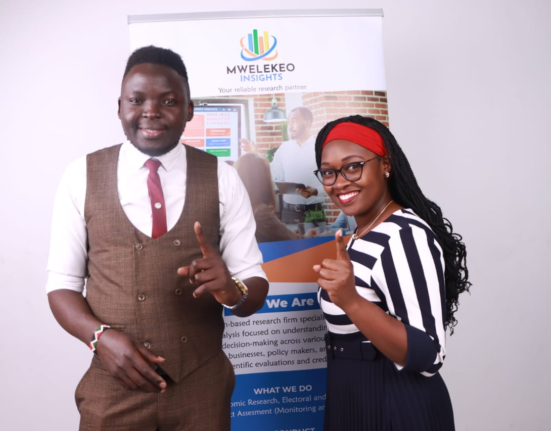

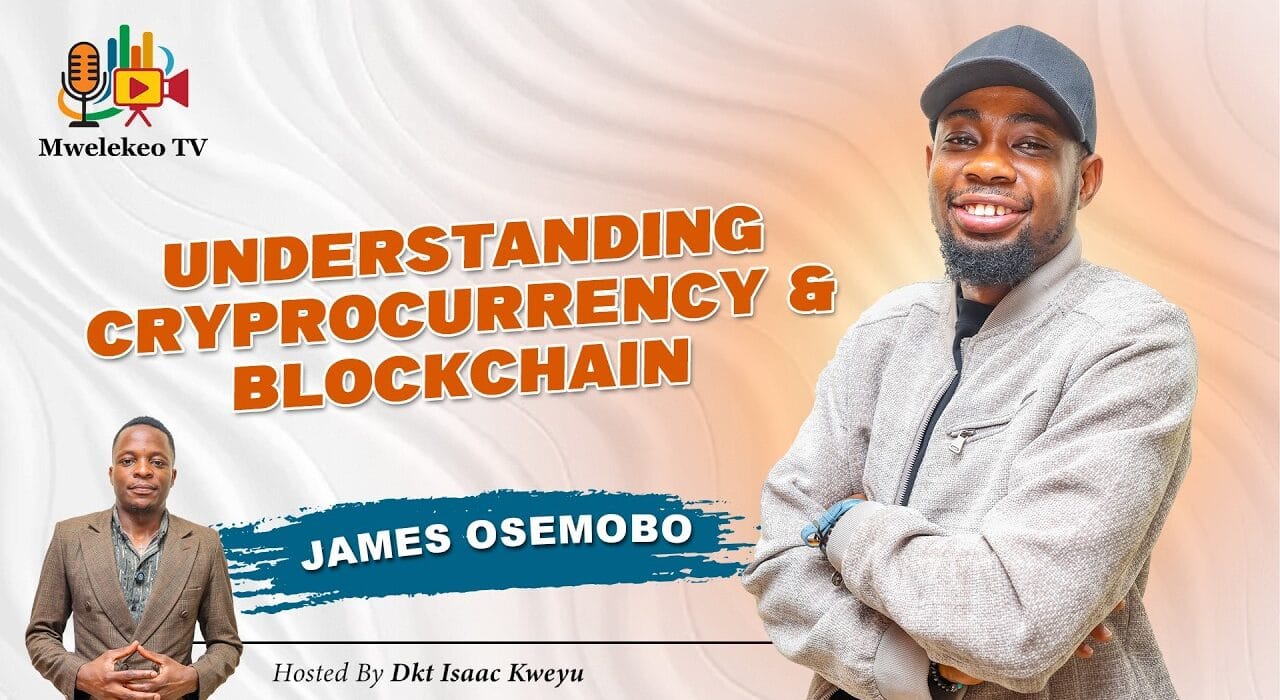
Mwelekeo TV recently aired an informative discussion that helped viewers better understand cryptocurrency, Bitcoin, blockchain technology, and Web3.
During the episode, host Dkt. Isaac Kweyu sat down with Joshua James Osemobo, an engineer and Web3 growth manager with extensive experience across Africa, to break down these often complex topics into simple concepts that ordinary people can easily understand.
The conversation began by explaining what cryptocurrency is.
Joshua described it as a form of digital money that allows people to send and receive value directly from one person to another without relying on a bank or other financial institution.
Unlike traditional banking systems or mobile money services that require a central company or organization to process transactions, cryptocurrencies operate through blockchain technology.
Blockchain was explained as a digital record book that stores information about transactions.
Every transaction is recorded and can be viewed publicly, making the system transparent.
No single person or organization controls the entire network. This structure helps improve security and trust among users because records cannot easily be altered once they have been added to the blockchain.
The discussion also focused on Bitcoin, which is widely recognized as the first successful cryptocurrency. Bitcoin was created to give individuals greater control over their finances and reduce dependence on traditional financial systems.

Since its introduction, many other cryptocurrencies have emerged. Ethereum was highlighted as one of the most notable examples because it offers additional features beyond simple payments.
The guests noted that thousands of cryptocurrencies now exist, with each serving different purposes ranging from payments and digital services to storing value.
Another key topic was Web3, which was described as the next stage of internet development. Unlike the current internet, where many digital assets and accounts are controlled by large companies, Web3 gives users more ownership.
People can hold digital assets such as cryptocurrencies and NFTs in personal wallets, allowing them to maintain greater control over their online activities and property.
The conversation also compared cryptocurrency systems with traditional banking.
While banks often involve approval processes, operating hours, and transaction fees, cryptocurrencies can enable faster transactions, especially across international borders.
In many cases, transaction costs are lower and more predictable. However, the guests stressed that this freedom comes with responsibility. Users must protect their wallet information and seed phrases because losing them can result in permanent loss of access to their funds.
The discussion highlighted the growing role of cryptocurrency in Africa. Many people across the continent still have limited access to banking services, and digital currencies can provide new opportunities to participate in the global economy.
Beyond investment and trading, blockchain technology is also creating opportunities in business, software development, and digital innovation.
The guests also addressed common misconceptions surrounding cryptocurrency. They explained that crypto is not exclusively used for illegal activities and should not be viewed as a guaranteed path to quick wealth.
Like any financial investment, it requires research, patience, and a good understanding of the risks involved. Many people lose money when they invest based on hype or social media trends without learning how the technology works.
Throughout the discussion, viewers were encouraged to educate themselves, verify information from reliable sources, and start small if they choose to explore the crypto space. By presenting these ideas in simple language, the episode offered valuable insights into a rapidly growing sector that continues to shape the future of finance and technology.
For students, professionals, entrepreneurs, and anyone interested in understanding emerging digital trends, the conversation provided a useful introduction to concepts that are becoming increasingly important in today’s connected world.
The episode demonstrated that with the right information, people can better separate facts from myths and make informed decisions about the opportunities and challenges presented by digital finance.