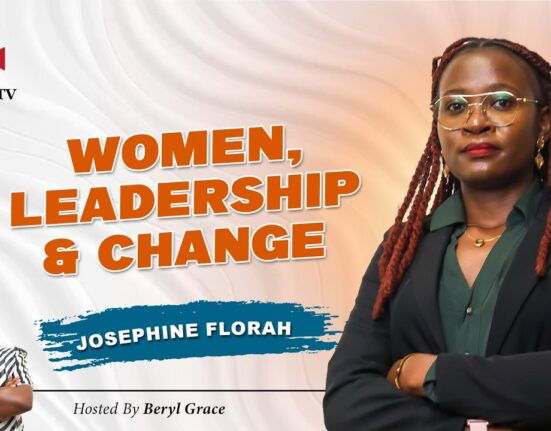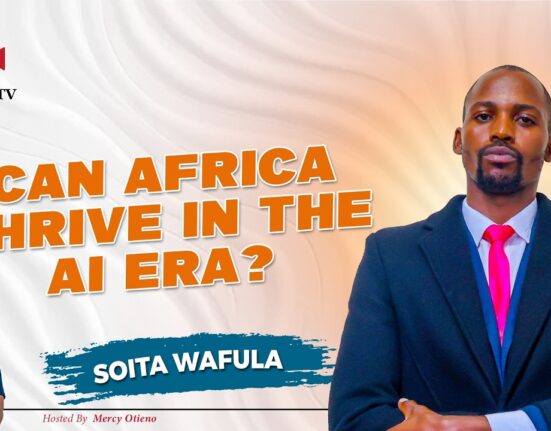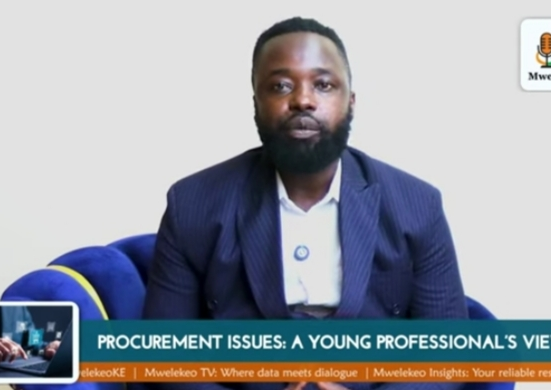

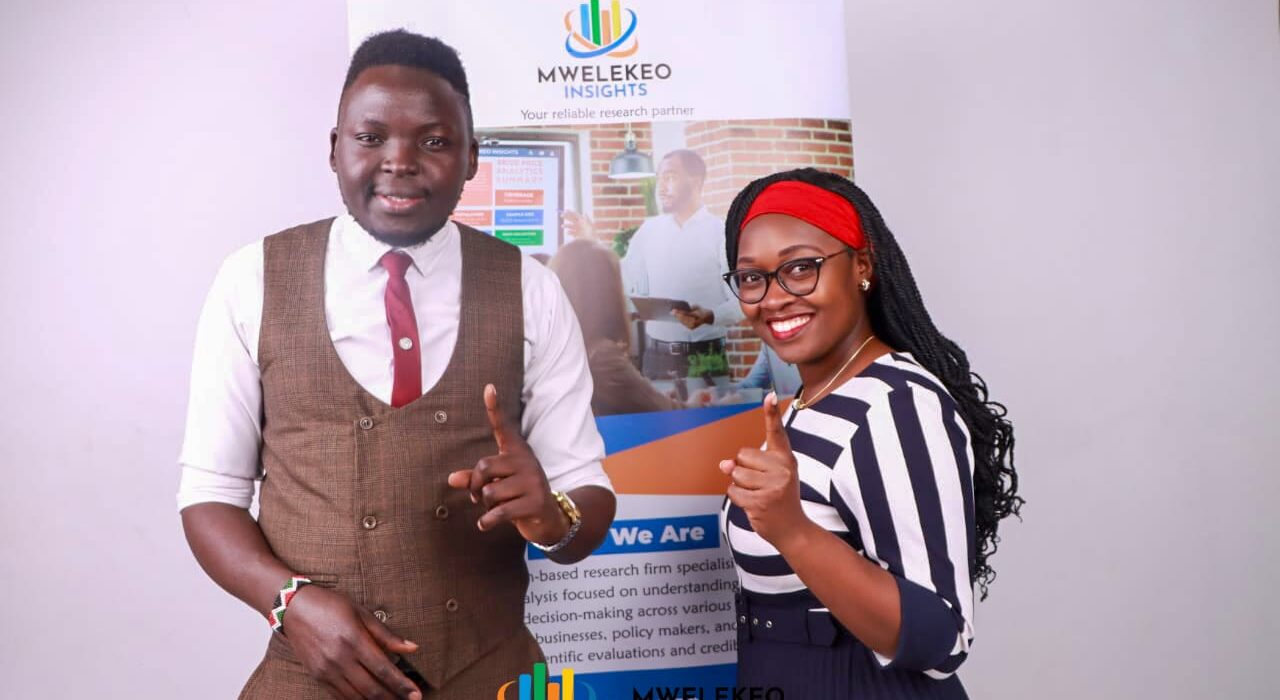
The conversation about whether young people in Kenya are given enough chances to shape the country has been gaining attention, especially after the 2024 Gen Z protests that showed the frustration and determination of the youth. Platforms like Mwelekeo TV have become important spaces for these discussions, with programs such as #TheYouthDiscussion hosted by Tonny Nyakoko creating room for open dialogue.
One of the recent voices featured on the show was Angel Mbuthia, a policy expert and youth leader, who broke down why the role of young people is not something to be delayed to the future but something that matters today.
Angel Mbuthia brought both experience and passion into the discussion. As a certified public accountant, she has also held key positions such as chair of the COMESA Youth Advisory Panel and secretary for gender and international relations at the All Africa Students Union from 2017 to 2020.
Her recognition as Ms President Kenya in 2022 highlighted her dedication to leadership and women’s issues.
On Mwelekeo TV, she gave a clear response that young people in Kenya have not been given enough room in decision-making. She pointed out that most youth programs are scattered across different ministries and offices, making it harder for them to have an organized and impactful role in nation-building.

Her analysis of the 2024 protests showed how these events reflected both frustration and opportunity.
She explained that young people had fresh ideas and the energy to push for changes in governance, proving they can contribute if included.
However, she also mentioned the struggles faced by young women, especially those trying to enter politics. Many come up against family resistance or a political field dominated by men.
In some counties, elected women leaders only exist through special seats, leaving ambitious women with fewer opportunities. To inspire others, Mbuthia shared her own plan to run for the Kiambu Women Representative position, while encouraging youth to aim for posts like Member of County Assembly as entry points to leadership.
She also gave advice that applies to many young people in Kenya today. Education, she said, is one of the strongest tools for building leadership skills, whether it comes from formal studies or self-learning through platforms like YouTube and the use of AI.
She stressed the importance of surrounding oneself with supportive networks and not losing faith when progress feels slow.
For her, leadership is about balance and thoughtful decisions, not emotional reactions. She warned against depending too much on government opportunities, urging young people to innovate and build their own paths instead.
The wider context of her conversation connects to national debates on youth inclusion.
Figures like Charlene Ruto have echoed the idea of intergenerational collaboration, where young people and older leaders work together to shape policies.
Social media continues to show how youth are already creating businesses, building platforms, and organizing themselves to make an impact.
Angel Mbuthia’s contribution on Mwelekeo TV tied all these strands together, reminding Kenyans that the creativity and energy of the youth are not future promises but current assets that need real space.
Watching the full episode on Mwelekeo TV makes it clear how platforms like these help highlight the importance of youth voices in governance. It also shows how research from Mwelekeo Insights supports the call for change in how young people are included.