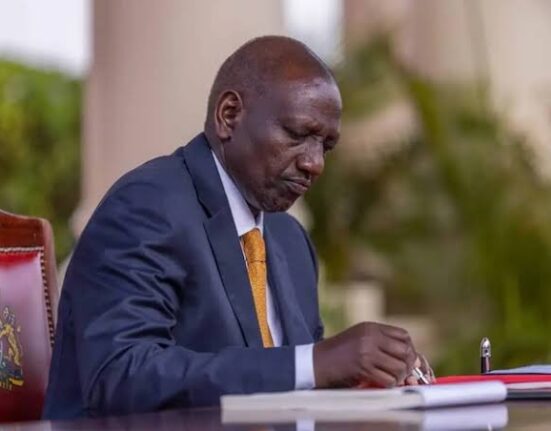


Abel Mutua, popularly known as Mkurugenzi, has been drawn into a growing online conversation over money, government image and the influence of popular Kenyan content creators.
The discussion follows reports that the Kenyan government signed a deal with a United States company, Continental Strategy LLC, at a cost of about $175,000 every month for one year.
According to official documents filed in the United States, the agreement involves lobbying and government relations work in Washington.
The company is expected to help Kenya engage American officials, protect trade interests and improve the country’s image in the United States.
However, the deal has sparked a wider debate online, with some people questioning whether government-funded image management could also influence conversations within Kenya.
Critics have linked the discussion to celebrities, influencers and content creators who, in their view, have recently adopted softer positions toward the government or become more critical of opposition figures.
Those making the claims argue that some influential voices could be paid to support a particular narrative without necessarily openly praising the government.
They say this could happen through subtle changes in the topics discussed, the people criticised or the issues given attention.
Abel Mutua has found himself at the centre of this conversation largely because of the size of his audience and his influence in Kenya’s entertainment and digital space. Through his films, podcasts and online content, Mkurugenzi has built a strong following and established himself as one of the country’s better-known creators.
His growing influence means that changes in his public tone or the issues he chooses to discuss are likely to attract attention. Some social media users are now asking whether wealthy political and government interests could eventually influence creators like him.
Others argue that creators should be allowed to express their views without every change in opinion being interpreted as evidence of payment.
The bigger issue is therefore not only about Abel Mutua. It is about public trust and the growing relationship between money, politics and digital influence.
When taxpayers’ money is used to pay millions of shillings every month for government relations and image-related work, citizens naturally want to know what they are getting in return.
They also want clarity on whether such efforts are limited to international lobbying or whether they have any connection to domestic public relations.