
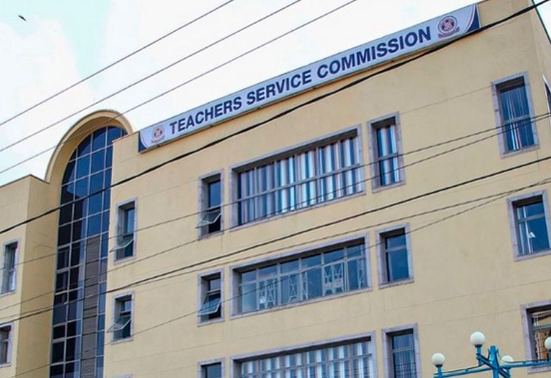
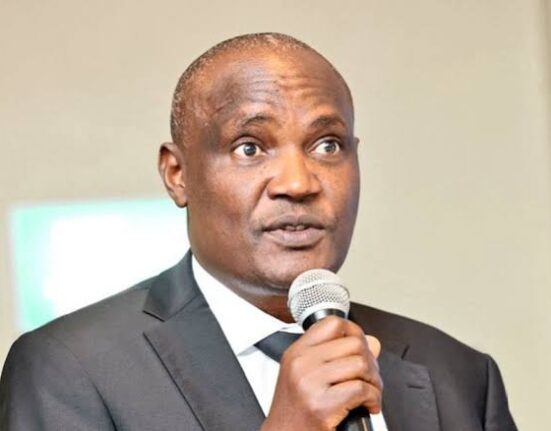
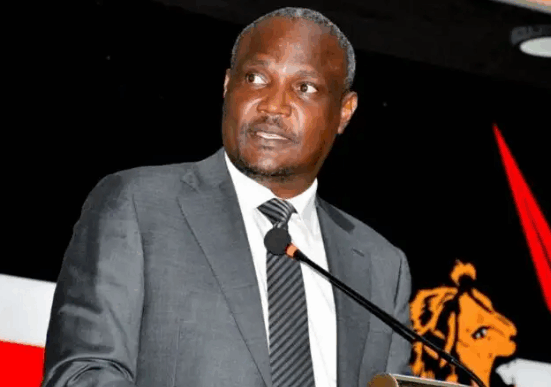
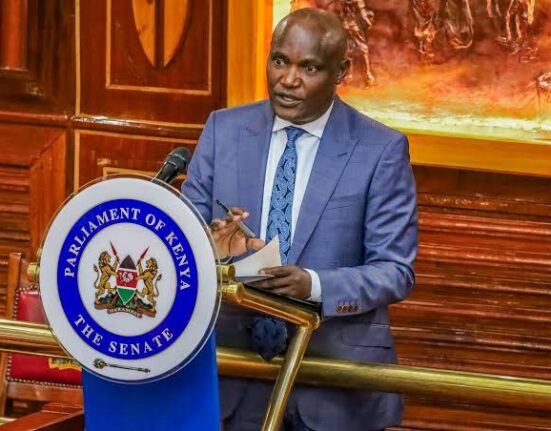
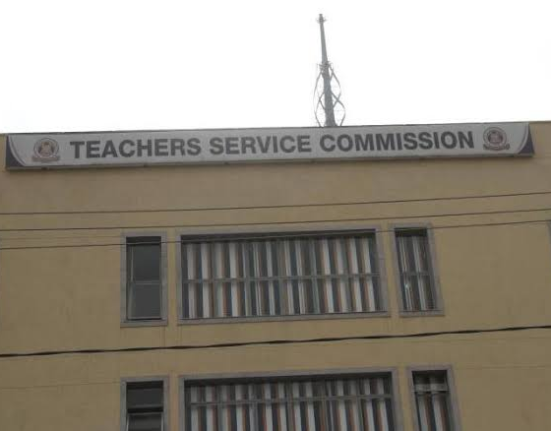
Treasury Cabinet Secretary John Mbadi has revealed that the Teachers’ Service Commission (TSC) and the funds meant for school capitation are among the key areas being investigated during the ongoing International Monetary Fund (IMF) anti-corruption diagnostic mission in Kenya.
Mbadi spoke during a public debate held on Saturday, June 4, where he explained that the government had requested this diagnostic study from the IMF to help in improving how public funds are managed and to deal with corruption that continues to affect important sectors.
According to Mbadi, the IMF had already visited the country and concluded its field work on June 30.
A final report on their findings is expected by October 2025. He explained that the education sector, which receives the biggest portion of Kenya’s budget, needed urgent attention.
He raised concerns about how the capitation funds, which are supposed to support learners in schools, are being used. He questioned whether the money is reaching real students or is being spent on fake enrolments.
His concern pointed to the possibility that the government may be spending billions on students who only exist on paper.In addition to capitation, Mbadi highlighted the TSC payroll, which costs the government over Ksh400 billion every year.
He said this huge figure raises questions and needs to be examined properly to make sure there are no ghost workers or inflated salaries.
The aim is to clean up the payroll, make it efficient, and remove any illegal payments. Mbadi added that the government was not forced to accept the IMF audit but had asked for it willingly.
He said the move was part of the government’s wider strategy to fight corruption and rebuild public trust.
The government identified areas it believed are more exposed to misuse of funds, including education, healthcare, procurement, and infrastructure.
These sectors were pointed out because the government understands how they operate and knows where the weaknesses are likely to be.
Although the IMF is expected to release its report later in the year, Mbadi made it clear that whether or not the findings will be made public is a decision that will be made by the Cabinet.
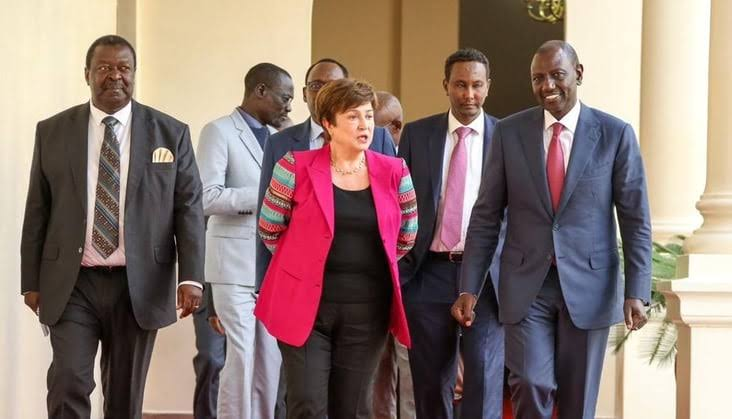
However, he personally supports the release of the report, saying he sees no reason why it should remain secret.The IMF mission was led by Rebecca Sparkman and took place from June 16 to June 30.
The team included experts from different IMF departments such as Fiscal Affairs, Legal, Finance, and Monetary and Capital Markets.
There were also representatives from the World Bank. Throughout their visit, the team met with both government officials and civil society groups to understand the different challenges affecting public systems in Kenya.
Their findings could play a key role in shaping future reforms and policy changes to improve accountability in the country.
Leave feedback about this