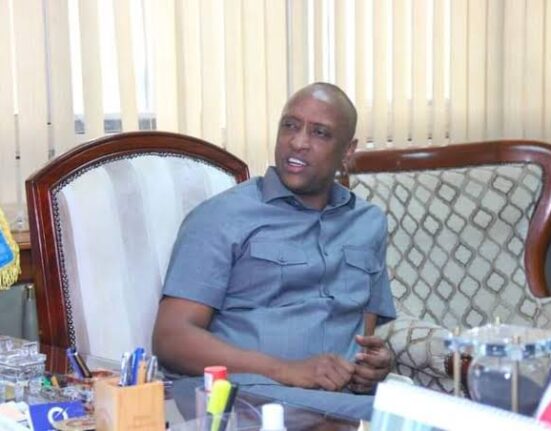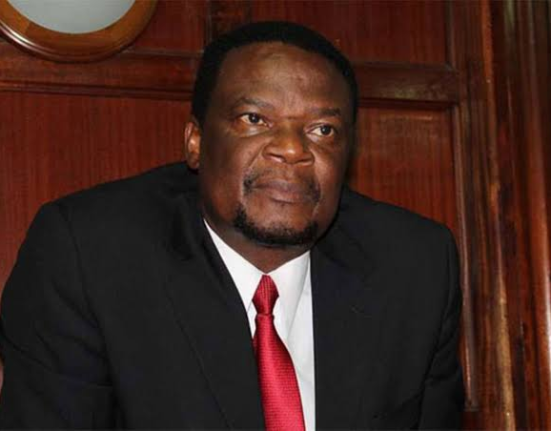


The High Court has now taken up a case involving city pastor and motivational speaker Robert Burale against radio personality Alex Mwakideu and his sister Rozina Mwakideu.
The court has given the matter priority, describing it as urgent and worthy of immediate attention.
This marks the beginning of what is shaping up to be a serious legal confrontation between well-known public figures whose names often feature in the entertainment and motivational speaking world.
Justice Stephen Onjoro, in a notice dated October 9, ordered that the case be fast-tracked and that Burale immediately serve both Alex and Rozina with copies of the application.
The directive is meant to allow them enough time to respond before the first hearing, which has been set for October 23, 2025.
The judge also warned that any failure to follow the court’s orders would lead to penalties, indicating that the court intends to treat the matter with utmost seriousness.
Though full details of the petition have not yet been shared publicly, reports suggest that Burale’s case revolves around alleged defamation and character assassination.
He is said to have taken legal action after statements made by the Mwakideus on social media, which he claims damaged his reputation. People close to the case say Burale feels that his name and image have been unfairly tarnished, and he wants the court to intervene to restore his standing.
Legal observers believe that the decision to treat the petition as urgent means the court has seen either strong grounds in Burale’s claims or a risk of continued harm if the matter is delayed.
Defamation suits involving public figures often stir debate because they test the limits between free speech and the right to protect one’s reputation.
The case could therefore draw considerable public interest, especially from those in media and communication circles who often find themselves balancing between commentary and defamation.
So far, neither Alex nor Rozina Mwakideu has made any public comment on the latest development.
They are, however, expected to submit their responses before the hearing date. This silence has left many people curious about how the Mwakideus plan to defend themselves and whether they will stand by their alleged remarks or seek an out-of-court settlement.
This case reflects a growing trend where public personalities are increasingly turning to the judiciary to defend their image against online and media attacks.
In the digital age, information spreads fast and wide, and even a single post or statement can have serious personal and professional consequences.
For figures like Burale, whose careers depend heavily on public trust, any reputational harm can lead to lasting effects.
Attention will now shift to the High Court, where Justice Onjoro’s bench will determine the way forward. Whether the dispute proceeds to a full trial or ends in a negotiated settlement, it is certain to become one of the most talked-about defamation cases in Kenya this year.
The outcome could also set a fresh precedent for how the courts handle conflicts between reputation and freedom of expression in the modern media landscape.