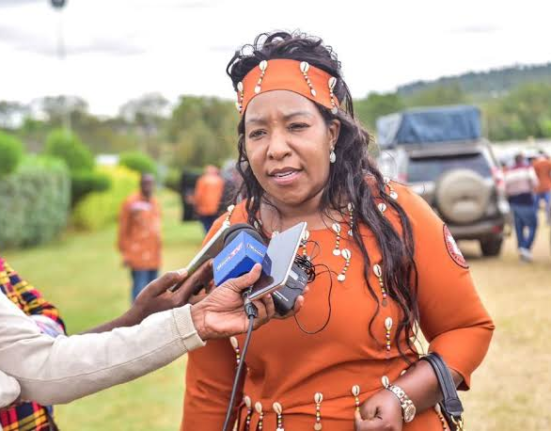


Agnes Kagure recently visited her rapeseed farms in Kenya, walking through fields where the plants were healthy and ready for harvest. The crops, standing tall under a clear sky, reflected the work put in over the months.
She moved along the rows, noting the growth and potential yield, a simple reminder of the opportunities that Kenya’s land offers to those who farm it.
Rapeseed, also called canola, has become a popular crop among Kenyan farmers because it can provide good returns.
It grows well in cooler areas like Timau in Meru County, Endebess, Marmanet, Sipili in Laikipia, and parts of Nakuru.
The oil from rapeseed is used both locally and internationally, giving farmers a chance to earn money from sales. In some cases, farmers have reported earning up to Ksh 150,000 per hectare under favorable conditions. Contract farming arrangements with processors make it easier for smallholders to access better prices, while county governments support the crop to help farmers improve their income.
Initiatives promoting sustainable farming practices also help protect the soil and make farms more resilient to changes in weather.Kagure’s work in agriculture is part of a bigger focus on supporting economic growth.
She has shared experiences from her farms, including challenges like elephants entering her fields, which were managed with the help of wildlife authorities. She has also grown other ventures from small beginnings, including a chicken business and a vegetable garden, showing how careful effort over time can lead to steady results.
Through her foundation, she has trained women in communities such as Kamukunji and Mathare on income-generating activities like mushroom farming and table banking, helping them turn skills into earnings.
Different climates across the country allow a variety of crops to grow, while fertile soils help farmers achieve good yields. With growing access to local and international markets, farming can be more than just a way to survive it can be a source of income and stability.
Kagure encourages young people to adopt modern farming methods and use technology to improve production. Programs like the 4-K clubs also introduce children to farming practices early, building skills for the future.


Despite challenges such as pests, unpredictable weather, or market changes, crops like rapeseed can provide steady income if managed well. Farmers who pay attention to soil nutrients and adopt recommended practices often see reliable results.