
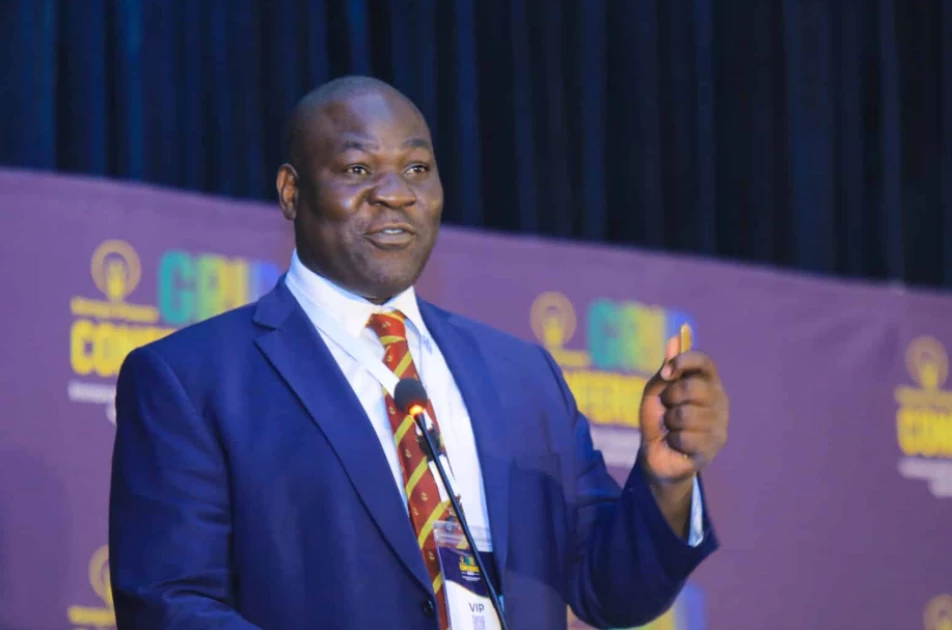
Dr. Duncan Oburu Ojwang‘ has formally declined President William Ruto’s nomination to serve as the Chairperson of the Kenya National Commission on Human Rights (KNCHR).
In a letter addressed to National Assembly Speaker Moses Wetangula, Dr. Ojwang’ cited personal reasons and a perceived conflict of interest as the basis for his decision, effectively halting the vetting process that was scheduled for Wednesday, August 14.
His refusal leaves the important position of KNCHR chairperson vacant once again and raises questions about the timeline for filling it.
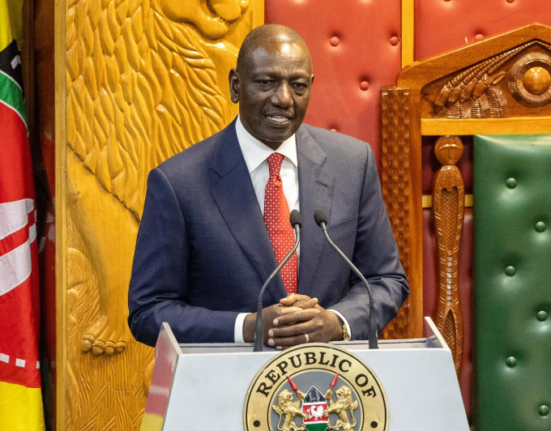
President Ruto had nominated Dr. Ojwang’ to the post following the death of Roseline Odhiambo Odede in January, who had held the position until her untimely passing after a brief illness.
Dr. Ojwang’s nomination came at a time when civil society groups were already voicing concerns over the appointment.
These groups filed a court case arguing that the nomination violated the principle of gender parity enshrined in the Kenyan Constitution.
The civil groups referred specifically to Article 250 (II) of the Constitution, which bars the appointment of individuals of the same gender as both chairperson and vice-chairperson of a constitutional commission.
In this instance, Dr. Ojwang’ and the current KNCHR vice-chairperson, Dr. Raymond Nyeris, are both male.
They further cited Section 1(6) of the Second Schedule of the KNCHR Act, which also stipulates that the chairperson and vice-chairperson must be of opposite genders.
Dr. Ojwang’s decision not to take up the role is likely to influence ongoing discussions about the appointment process and the selection criteria for future candidates.
Legal experts suggest that any new nomination will need to strictly adhere to the gender parity rule to avoid further legal challenges.
Civil society groups have indicated that they will continue monitoring the process closely to ensure compliance with constitutional requirements.
The chairperson’s role at KNCHR is crucial, as the commission plays a central part in protecting human rights across Kenya, investigating complaints, and advising the government on human rights matters.
The delay in filling the position may temporarily affect the commission’s ability to carry out its full mandate, particularly in cases requiring the leadership and oversight of a permanent chairperson.
While Dr. Ojwang’ cited personal reasons for declining the nomination, his decision also highlights the broader tension between presidential appointments and constitutional safeguards designed to ensure gender equity and prevent conflicts of interest.
Moving forward, stakeholders will be watching closely to see who the next nominee will be and whether the appointment process will fully respect Kenya’s constitutional and legal frameworks.
This development serves as a reminder of the delicate balance between political appointments, legal compliance, and public expectations in Kenya’s governance structures.
The KNCHR continues to operate under the leadership of its vice-chairperson, but the absence of a permanent chairperson underscores the importance of a transparent and constitutionally compliant selection process.

Leave feedback about this