

Questions have been raised about the management of a government-funded clean cooking programme after an audit revealed gaps in planning, accountability, and oversight.
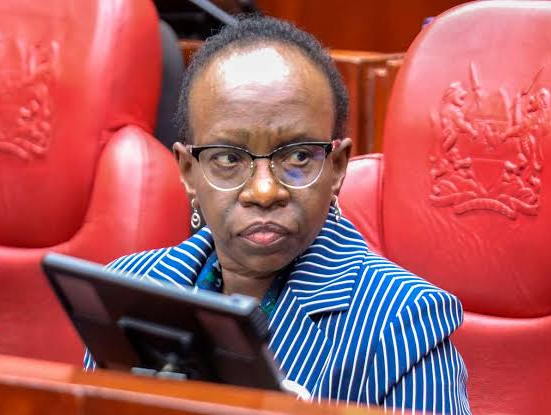
The concerns were highlighted by Auditor General Nancy Gathungu following a review of how funds were used to purchase and distribute energy-saving cooking stoves, commonly known as jikos.
The audit focused on the Petroleum Development Levy Fund accounts for the 2023/24 financial year. According to the report, Sh18.9 million was spent to buy clean cooking jikos meant to support low-income households and reduce the use of firewood and charcoal, which contribute to deforestation.
In total, 5,500 jikos were purchased under the programme.However, the Auditor General questioned the decision to involve six Women Members of Parliament in the distribution process.
The MPs came from Nyeri, Laikipia, Nakuru, Uasin Gishu, Bomet, and Kitui counties. Out of the total jikos bought, 2,000 were allocated for distribution in these areas through the selected MPs.
The audit report states that the management of the fund failed to explain why these particular leaders were chosen and what criteria was used to identify the households that would benefit.According to Gathungu, there was no clear justification provided for using the MPs as distributors, nor was there documentation showing how beneficiaries were selected in each county.
This lack of clarity made it difficult for the auditors to confirm whether the money was used in a fair and effective way.
As a result, the Auditor General concluded that value for money could not be confirmed for the Sh18.9 million spent on the jikos.
The audit also uncovered serious issues with tracking the distribution of the cooking stoves. While 3,500 jikos were reported as purchased during the year, only 660 were verified as having reached beneficiaries.
These were confirmed in areas such as Nyeri, Kirinyaga East, Kirinyaga West, Nyahururu Sub-County, and Mwea Sub-County. The remaining 2,840 jikos, valued at about Sh9.8 million, could not be accounted for, raising further concerns about record keeping and follow-up.
The clean cooking jiko programme was launched during the administration of retired President Uhuru Kenyatta and is part of Kenya’s broader development and environmental goals. The initiative aims to help the country meet its commitment under the Sustainable Development Goals to ensure universal access to clean cooking solutions by 2028.
It also supports global and national plans, including Sustainable Energy for All and Kenya’s climate commitments, which encourage a shift away from harmful cooking methods.
Kenya still relies heavily on solid biomass fuels such as firewood and charcoal, especially in rural areas. It is estimated that about 68 per cent of households depend on these fuels for cooking.
This has negative effects on forests, the environment, and public health.Despite these intentions, the audit found that important preparatory work was missing.
There was no evidence that studies had been carried out to assess indoor air quality in homes using the new jikos.
The report noted that measurements of carbon monoxide, carbon dioxide, and other harmful gases were not conducted, making it hard to assess whether the programme effectively addressed health risks.
The Auditor General said the findings point to weaknesses in planning, transparency, and oversight. While the goal of promoting clean and sustainable cooking solutions is important, the audit suggests that better systems are needed to ensure public funds are used properly and that intended benefits reach the right households.
Leave feedback about this