
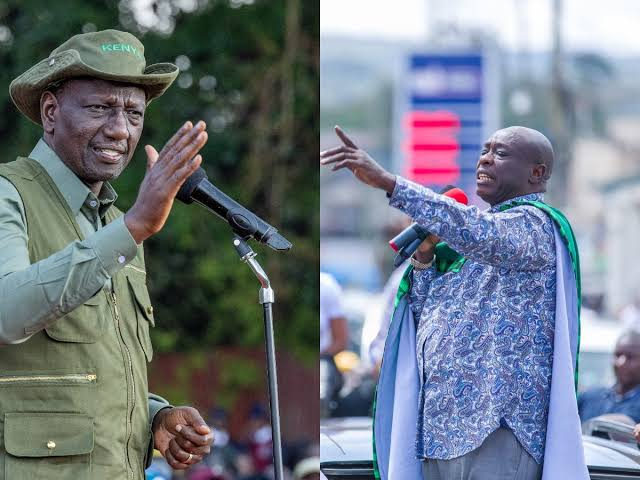
Kenya’s political scene has once again been thrown into sharp debate following fresh remarks by former Deputy President Rigathi Gachagua.
He has openly questioned President William Ruto’s plan to compensate victims of police brutality and extrajudicial killings, arguing that it is less about justice and more about silencing those who could stand as witnesses in future cases at the International Criminal Court.
Gachagua believes the government is using the compensation scheme as a way to collect personal information from victims and their families, making it easier to track or intimidate them before they can testify.
His warning draws attention to Kenya’s painful history with the ICC. Ruto himself faced charges over the 2007–2008 post-election violence but walked free after the case collapsed, largely because of missing witnesses and allegations of interference.
Gachagua says what is happening today looks too familiar, pointing out that the state seems keen on repeating old patterns that ensure powerful figures escape accountability.
He singled out the taskforce led by Makau Mutua, saying it is being used to front the compensation plan while quietly identifying potential witnesses.
At the same time, opposition leaders and human rights defenders are gathering their own records, determined to submit evidence to The Hague.
They argue that the killings and abductions during recent protests meet the threshold of crimes against humanity under the Rome Statute.
According to Gachagua, their documentation includes testimonies, medical reports, and even details of communities he claims were deliberately targeted in acts of ethnic profiling.
The opposition is clear that their goal is not just financial justice for the families but accountability for those responsible for ordering or covering up the violence.
The government, however, has dismissed these accusations as political propaganda. Officials insist the compensation program is an act of reconciliation, designed to heal wounds left by months of unrest. They argue that victims deserve recognition and support from the state, and that dismissing the effort as a plot undermines the country’s attempts to move forward.
Supporters of Ruto believe that the president is acting in good faith and accuse Gachagua of trying to exploit the pain of victims for political mileage.
For ordinary families who lost loved ones, the debate is more than politics. Many are torn between applying for compensation or staying away for fear that their names could be used against them later.
Online discussions reflect these concerns, with some Kenyans warning victims not to expose themselves without proper protection.
Human rights groups have echoed this fear, urging transparency and independent monitoring of the process.
They argue that real healing requires accountability, not just payouts, and that without guarantees of witness safety the truth risks being buried.
Gachagua’s words have intensified scrutiny on the government, stirring conversations about whether Kenya is heading toward another confrontation with the ICC. His reminder of past failures has struck a nerve, especially among those who feel justice has often been sacrificed at the altar of politics.
The fight for truth and justice continues, with the spotlight firmly on whether the compensation plan will bring closure or serve as another chapter in the long story of impunity.

Leave feedback about this