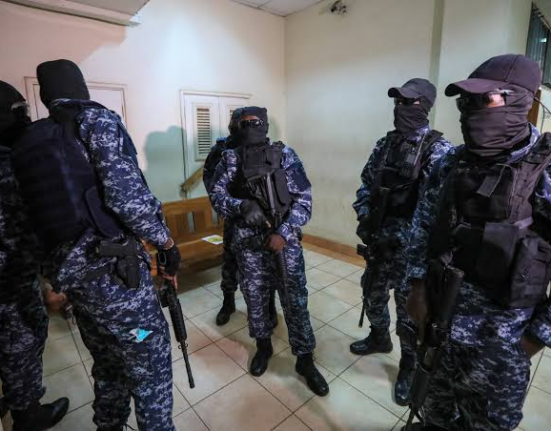


A well-known criminal lawyer is now at the centre of a major security investigation after his dramatic arrest in Mombasa by the Anti-Terrorism Police Unit (ATPU).
He was immediately transferred to Nairobi, where detectives are preparing to arraign him in court on Monday.
His arrest has drawn national attention because of the serious accusations he is facing, especially given his long history of defending individuals linked to terror cases.
According to investigators, the lawyer is suspected of helping fund and facilitate the movement of young Kenyans to Somalia. From Somalia, the recruits would then cross into Yemen through the Gulf of Aden to join an active ISIS/Daesh cell.
ATPU officers say the financing was carefully concealed using cryptocurrency transactions that passed through several countries, including Uganda and Tanzania, making the trail harder to detect.
Detectives believe these transactions were part of the operations of an active terror cell working in the region.
The investigation began months ago when ten suspected recruits were intercepted as they attempted to travel to Puntland, Somalia.
Their final destination was believed to be Yemen, where they intended to join ISIS fighters. It was through interrogating this group that detectives reportedly uncovered crucial information pointing to a wider network and the possible involvement of the lawyer.
The lawyer is expected to appear in court on Monday alongside eight other suspects. They will face charges related to terror financing, membership in a terror organisation, and participation in a criminal network.
ATPU officers say they will seek more time to continue holding the suspects as they analyse the digital devices, financial records, and communication logs collected during the probe.
Police say the recruits were radicalised online, a trend that has been increasing over the years. Their statements have provided fresh leads that could help uncover local and international contacts involved in the network.
Detectives believe the lawyer shifted from merely offering legal services to becoming directly involved in the activities of terror groups. One detective noted that he is suspected to have moved “from professional legal representation into active participation in the facilitation network.”
The ATPU claims it has solid evidence linking him to the suspected cell, including cryptocurrency trails, bank records, travel documents, and hotel bookings that appear to show coordinated movements across borders.
His legal team has denied all accusations, calling the case a misunderstanding and insisting that he is being targeted because of his work defending unpopular clients.
Kenya has in the past dealt with cases of citizens being recruited into foreign terror networks. Some were intercepted while heading to Somalia to join al-Shabaab, while others attempted to join ISIS abroad.
In one notable case in 2016, a medic named Mohammed Abdi Ali was arrested for planning an anthrax attack in the country.
He was later convicted, and two of his co-suspects were also arrested the same year for their role in the planned attack.
The current case has once again highlighted the growing complexity of terror financing and recruitment networks, especially as technology opens new ways to move money and radicalise vulnerable youth.
Detectives say their work is far from over as they continue to map the connections behind the suspected network.