

Confusion has gripped Kenyans after the Public Service Ministry dismissed claims that the government had suspended the Ksh1,000 fee charged for replacing lost or damaged national identity cards.
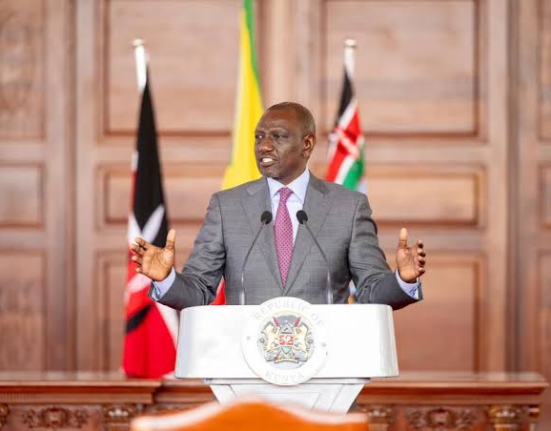
The clarification came just days after President William Ruto publicly announced that the fee would be waived to make it easier for citizens to register as voters ahead of the 2027 General Election.
President Ruto, while speaking on October 28, had assured Kenyans that no one would be left out of the voter registration process due to a lack of an identification card.
He stated that the government had resolved to remove all financial barriers linked to obtaining or replacing IDs.
According to him, the decision was part of efforts to encourage full participation in the democratic process.
The President explained that although the charges were initially introduced to prevent misuse of free government services, the waiver was meant to ensure fairness and inclusion in the upcoming elections.
But barely a day later, Huduma Kenya, which operates under the Public Service Ministry, contradicted the President’s statement.
Through an official communication shared on October 29, the agency clarified that ID replacement fees were still in place and had not been officially suspended.

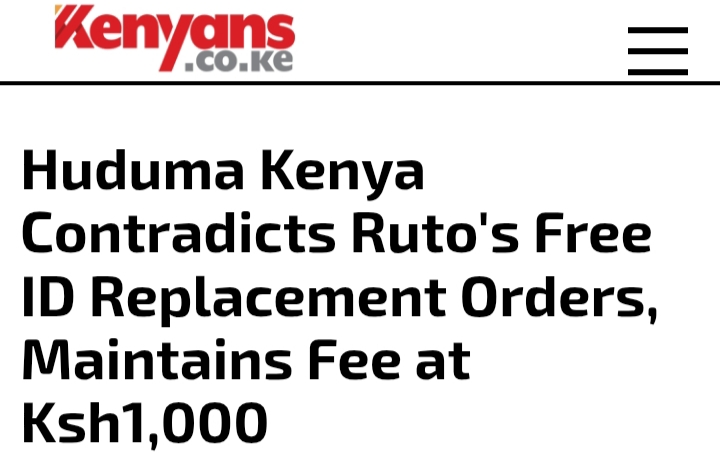
It stated that the decision could only take effect once it was formally published in a gazette notice. Huduma Kenya went on to inform citizens that they should continue paying the usual fee until official instructions were issued.
The agency’s clarification sparked widespread frustration among Kenyans, especially those who had rushed to Huduma Centres expecting free replacements.
Many expressed disappointment over the government’s conflicting communication, saying it exposed poor coordination between state offices.
Social media was flooded with complaints from citizens demanding answers on why the President’s directive had not been implemented immediately.
Huduma Kenya maintained that it would notify the public through its official channels once the waiver was legally confirmed.
It emphasized that all government procedures must follow established legal processes, including gazettement, before any policy change takes effect.
This statement seemed to shift the responsibility back to higher government offices, raising questions about whether the President’s announcement had been properly coordinated with relevant ministries.
The ongoing confusion highlights a growing communication gap within government agencies, where public announcements are made without clear administrative follow-up.
For many Kenyans, the situation has become another reminder of the challenges they face when dealing with government bureaucracy.
Citizens now await clarification from the Office of the President or the Interior Ministry to confirm when, or if, the suspension will be officially implemented.