
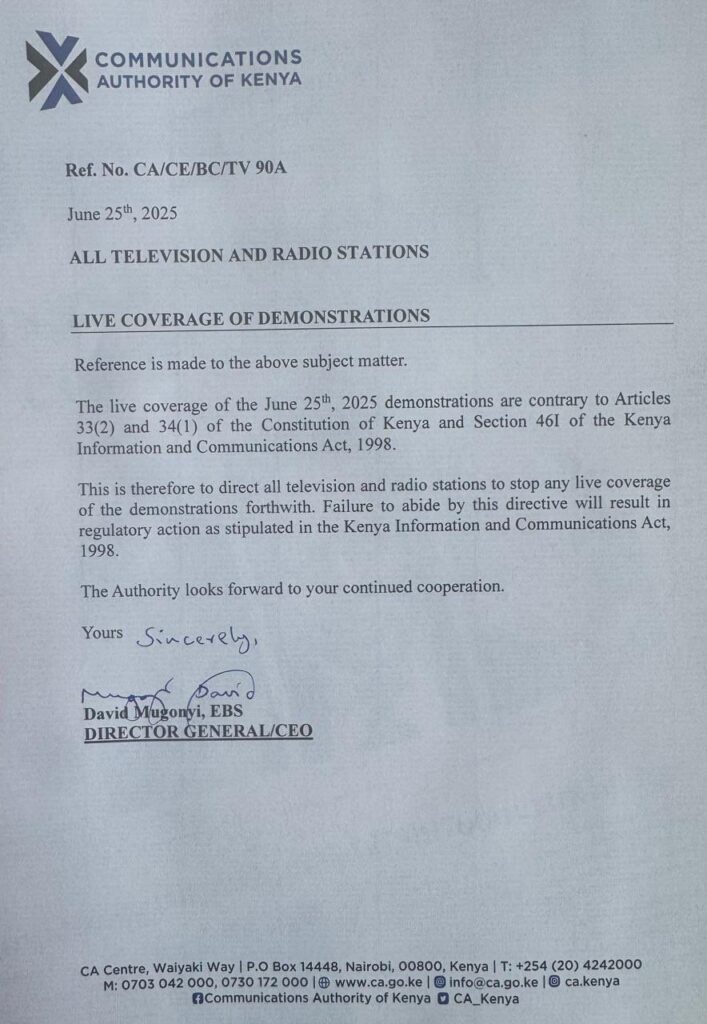
The Communications Authority’s latest move to stop all live coverage of the June 25 anniversary protests is a dangerous attack on press freedom and public access to information.
The memo sent to media houses ordered them to immediately cease broadcasting any part of the demonstrations, warning that failure to comply would attract regulatory sanctions.
Although the Authority did not clearly say what punishments would follow, it stressed full compliance. This kind of vague but threatening language creates fear and confusion in newsrooms, which is likely the real aim silencing independent reporting and controlling the narrative around growing public unrest.
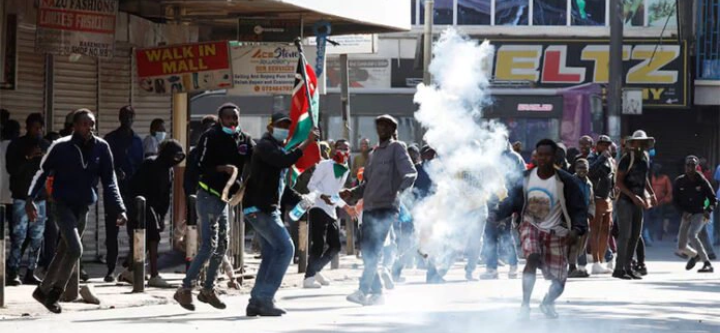
The timing of the directive says everything. It was released just as Kenyans marked one year since the deadly June 25, 2024 protests, when police opened fire on peaceful demonstrators, killing dozens.
Instead of taking responsibility for what happened, the government appears more focused on hiding today’s scenes from the world. Youth movements and civil society groups had planned peaceful activities to honor those who died last year.

Instead of supporting these calls for justice, the state chose to black out media coverage and tighten its security grip.In Nairobi, the government sealed off all major roads leading to the CBD by dawn.
Commuters using Jogoo Road were forced to walk from City Stadium, as razor wire and heavily armed officers blocked access. Key institutions like State House and Parliament were surrounded by a massive security presence, clearly showing the government’s fear of public gatherings.
This is not how a confident leadership behaves it’s the reaction of a regime scared of its own people.
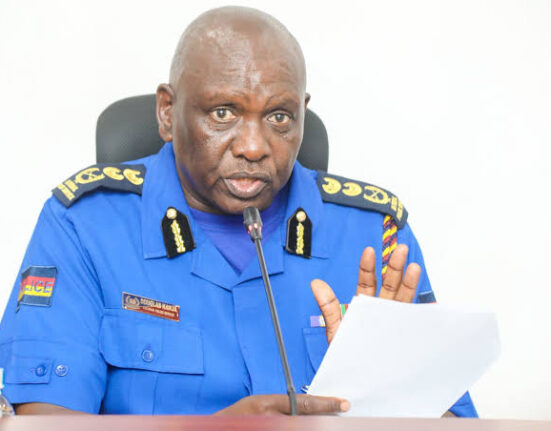
Interior CS Kipchumba Murkomen arrived at Harambee House early, together with Inspector General Douglas Kanja and other top police officials, including DCI boss Amin Mohamed and GSU Commandant Ranson Lolmodoni. Kanja had addressed the country the day before, warning protestors to avoid restricted areas. His press briefing was short and defensive.
He refused to answer questions, and only repeated that officers would act “within the law.” But the irony is obvious while claiming to protect rights, the same authorities are blocking media, restricting movement, and shutting down peaceful remembrance events.
The hypocrisy didn’t end there. Nairobi Police Commander George Seda claimed that officers would protect both protestors and non-protestors.
Yet the streets were full of police ready for confrontation, not protection. Civil society and youth leaders are using this anniversary to demand justice, transparency, and reforms, especially in the police service.
But the government’s response media censorship, roadblocks, and armed intimidation proves that the same issues from 2024 still exist, and in some cases, are getting worse. Instead of healing, the state is choosing control. Instead of listening, it is silencing.