
A shocking financial scandal has triggered widespread public anger across Kenya, raising serious concerns that major public and private institutions could be failing so deeply that it looks like active collaboration to defraud citizens.
The uproar began after a high-profile incident involving the brother of prominent city lawyer Donald Kipkorir exposed what many are calling a highly coordinated extortion trap operating right under the noses of regulatory authorities.
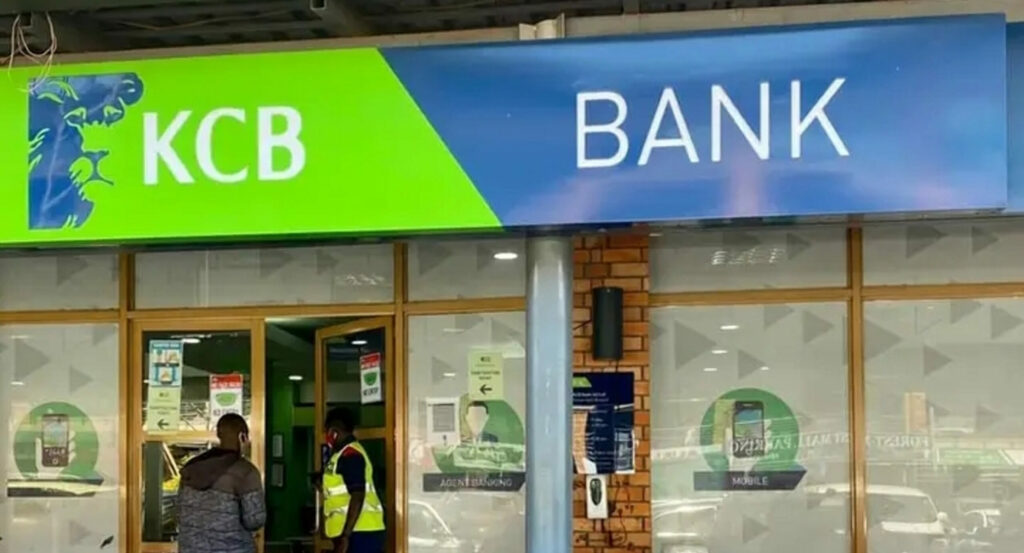
The incident has put two massive entities, the National Transport and Safety Authority (NTSA) and KCB Bank, under intense scrutiny as Kenyans demand answers about how their personal data and financial systems are being used against them.
The trouble started when Kipkorir’s brother received an official-looking text message claiming to be from the NTSA. The message detailed an alleged traffic violation and demanded immediate payment of a fine to avoid legal action.
Attempting to be a responsible citizen, he complied with the directive and transferred the money to a specified KCB Bank account listed in the text message. However, a closer look at the transaction details revealed a terrifying reality.
The funds did not go to an official state treasury or a verified government account. Instead, the money landed directly into a private bank account registered under the personal name of an individual identified as Catherine Jerono Tomno.
This startling revelation has shifted public perception from mere complaints about online fraud to serious allegations of an institutional breakdown. For an ordinary citizen to receive a highly specific text message about an alleged traffic offense, fraudsters must have access to sensitive vehicle registration data that should only be held securely by the NTSA.
This has led many to believe that data leaks within the state transport agency are fueling criminal networks. Even more alarming is the role of KCB Bank in providing the platform for this money to be collected.
By allowing a private individual to open and operate an account that acts as a collection point for fake government fines, the bank has raised serious questions about its compliance systems.
Under Kenyan banking regulations, commercial lenders are strictly forbidden from allowing private individuals to collect public revenue under the guise of state agencies.
This is a fundamental law meant to stop corruption and tracking errors. Yet, the fact that an individual could comfortably use a KCB account to siphon cash from unsuspecting motorists suggests a broken system where compliance rules are ignored.
To the average Kenyan, this looks less like a simple mistake by the bank and more like a system where institutions are failing so completely that they appear to work hand-in-hand to rob the public. When a trusted bank holds the account, a citizen has every reason to believe the payment is legitimate.
By failing to flag this account, KCB Bank essentially became a partner in a scam that exploits public trust.
This alarming case has served as a loud wake-up call, showing that the systems meant to safeguard citizens are instead leaving them vulnerable to financial ruin.
It is no longer enough for these institutions to blame external hackers or isolated technical glitches. The public is rightfully furious and feels betrayed by the entities they rely on daily.
Regulatory bodies, including the Central Bank of Kenya, must immediately step in to investigate not just this single account, but the entire process of how government-labeled payments are screened.
Until KCB Bank and the NTSA explain how private individuals can easily intercept public funds using official names, the safety of all public money remains in deep jeopardy.




Leave feedback about this