
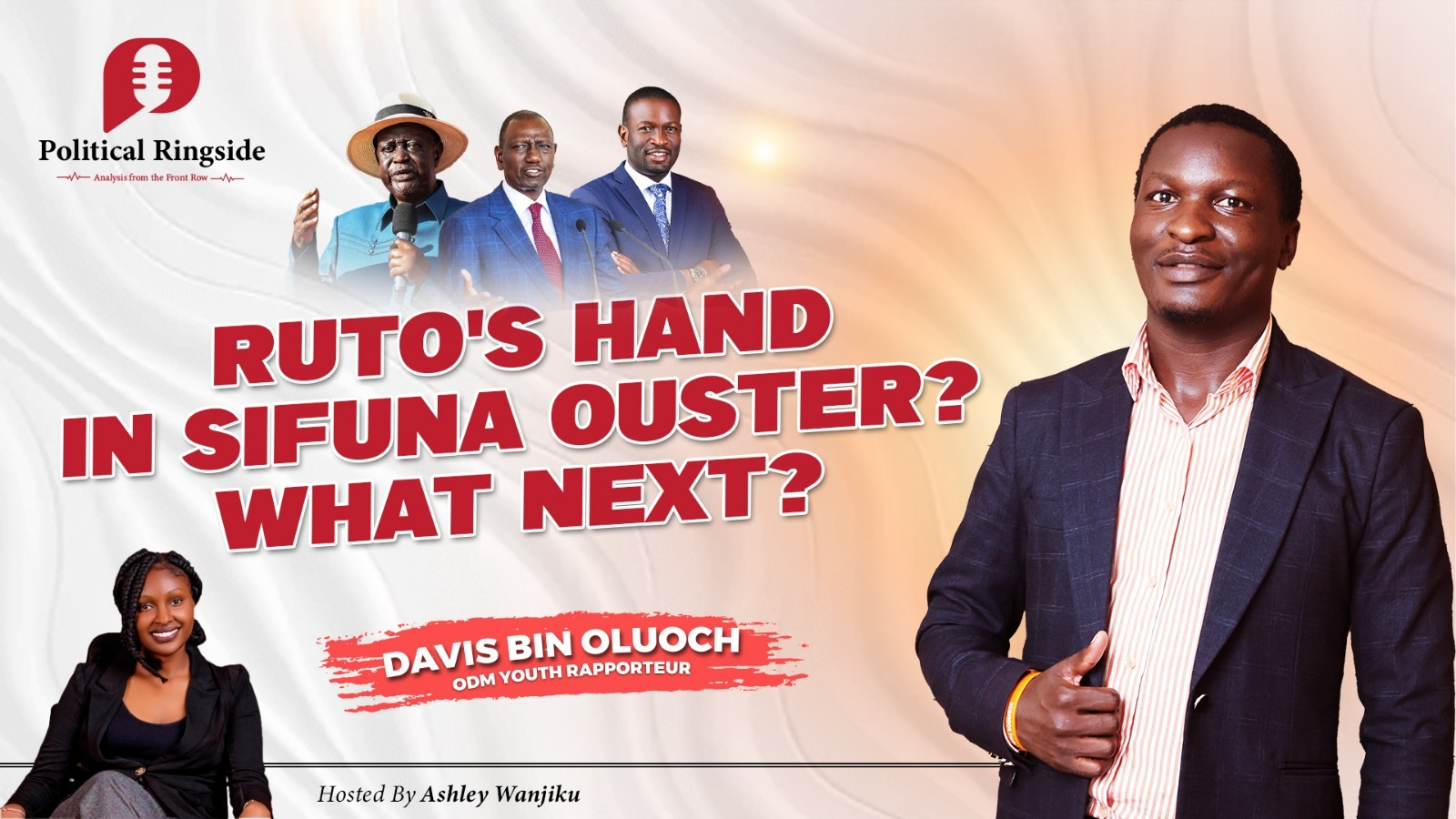
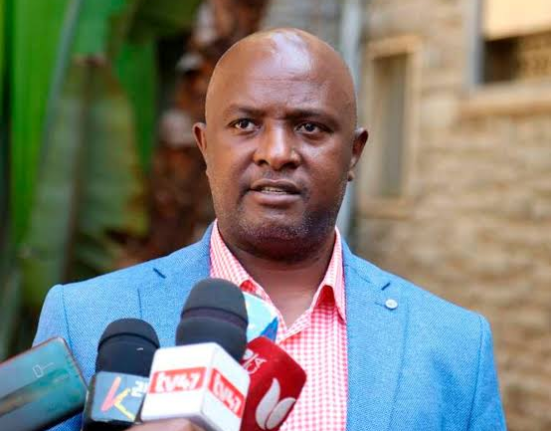
Political Ringside has released a new discussion video examining the removal of Edwin Sifuna from his position as Secretary General of the Orange Democratic Movement (ODM).
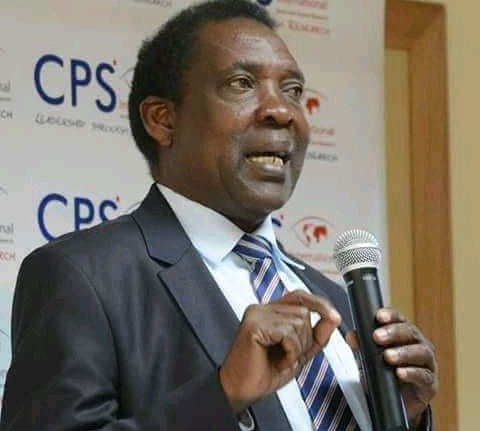
The video, hosted by Ashley Wanjiku with guest Davis Bin Oluoch, focuses on whether President William Ruto had any role in Sifuna’s ouster and what the implications are for Kenyan politics ahead of the 2027 elections.
Davis Bin Oluoch, who has served as ODM Youth League Rapporteur for six years, provides insight from inside the party.
Edwin Sifuna joined ODM in 2013 after his work as a journalist at the Standard newspaper caught the attention of Raila Odinga.
He became Secretary General in 2018 and was known for his outspoken criticism of President Ruto and his government.
Davis explains that Sifuna often represented the faction of ODM that favored independence from the current government and opposed close collaboration with Ruto.
According to the discussion, Ruto publicly once mentioned the need to “discipline” Sifuna politically at an ODM event.
While the remark may have been partly in jest, it raised concerns within the party because it appeared to hint at outside influence.
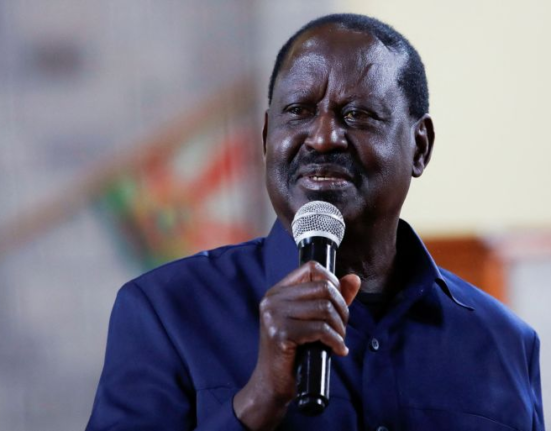
Sifuna’s removal happened during a meeting of ODM’s National Executive Committee (NEC) in Vipingo, Malindi.
The NEC consists of about 45 members, below other bodies like the Central Management Committee and the larger National Delegates Conference.
Davis notes that Sifuna’s removal was not formally on the agenda; more attention was given to by-elections, the National Delegates Conference, and post-Raila Odinga party matters.
John Mbadi, now Cabinet Secretary for Treasury in Ruto’s government and former ODM Chairperson, publicly called for Sifuna’s removal a day before the vote.
Davis suggests this indicated influence from party members who favor alignment with Ruto. Some members may have been strategically excluded from the vote to ensure the outcome.
Raila Odinga’s passing shifted the balance of power within ODM. While alive, he maintained equilibrium between groups that supported cooperation with Ruto and those advocating independence, including Sifuna.
Without his moderating influence, the faction favoring closer ties with Ruto gained more control, partly due to access to government resources.
The video emphasizes that ODM remains a center-left party founded in 2005, advocating for social justice, devolution, rule of law, and shared prosperity.
Davis stresses that opposition work is more effective in Parliament than within internal party battles.Looking ahead, ODM faces key choices.
It could negotiate a significant role in government, maintain independence under youth leadership, or attempt to reconcile differing factions.
The Youth League plans meetings in Machakos to safeguard the party’s freedom.
Davis concludes that while the current situation highlights divisions, ODM has navigated leadership transitions before and can survive if careful planning and commitment to its core principles continue. The discussion frames Sifuna’s removal as part of bigger questions about power, influence, and the direction of opposition politics in Kenya.
Leave feedback about this