
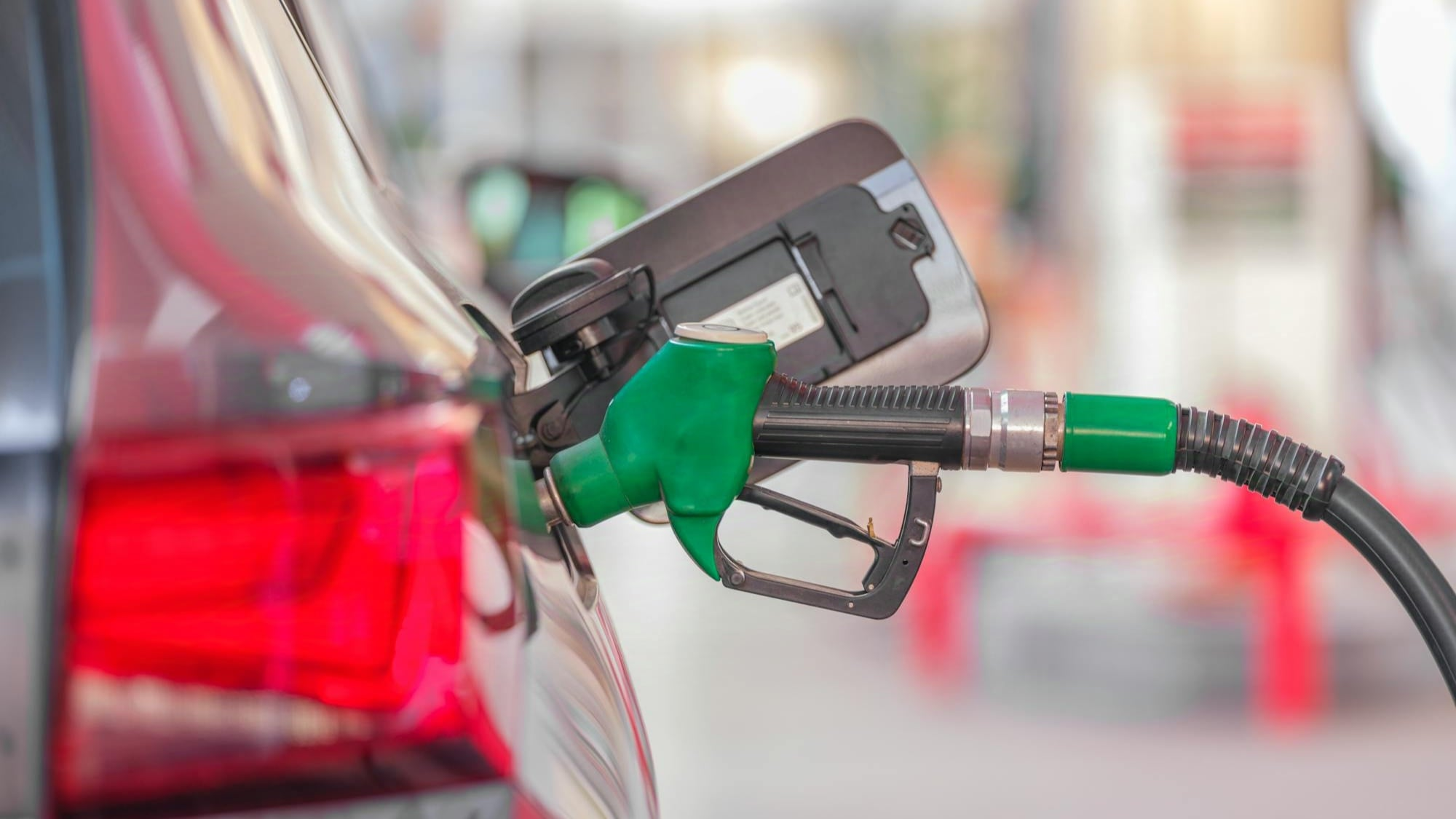
Kenyans will see some relief at fuel stations this month after the energy regulator reviewed pump prices slightly downward. The new prices take effect from January 15 and will remain in place until February 14, 2026.
This adjustment comes at a time when many households and businesses are struggling with high costs of living and production.The Energy and Petroleum Regulatory Authority announced that prices for Super Petrol, Automotive Diesel, and Kerosene have been reduced by small but noticeable amounts.
Super Petrol has gone down by Ksh2 per litre, while Diesel and Kerosene have each dropped by Ksh1 per litre. The changes apply across the country, although the actual prices vary depending on location.In Nairobi, motorists will now buy Super Petrol at Ksh182.52 per litre.
Diesel will retail at Ksh170.47 per litre, while Kerosene will cost Ksh153.78 per litre. These prices replace the previous rates that had remained unchanged for the last three months.
During that period, Super Petrol was selling at Ksh184.52, Diesel at Ksh171.47, and Kerosene at Ksh154.78 per litre in the capital.Other major towns are also seeing revised prices.
Mombasa continues to enjoy the lowest fuel prices among large cities due to its proximity to the port. In the coastal city, Super Petrol is now priced at Ksh179.24 per litre, Diesel at Ksh167.19, and Kerosene at Ksh150.49 per litre. These lower prices are often reflected in transport and logistics costs in the region.
In western Kenya, fuel prices remain higher than the national average. Kisumu residents will pay about Ksh190.88 per litre for Super Petrol, Ksh178.83 for Diesel, and Ksh162.13 for Kerosene. The higher costs are linked to transportation and distribution expenses from the main supply points.
In the Rift Valley, Nakuru has slightly lower prices compared to some western towns. Motorists there will pay Ksh181.56 for Super Petrol, Ksh169.87 for Diesel, and Ksh153.21 for Kerosene.
Eldoret, which serves much of the north western region, will record prices of Ksh182.38 for Petrol, Ksh170.68 for Diesel, and Ksh154.03 for Kerosene.
One of the key reasons behind the price reduction is the stronger performance of the Kenyan Shilling against the US Dollar. In recent months, the local currency has gained value, trading at around Ksh128 to the dollar compared to about Ksh132 in the previous quarter. This improvement has helped lower the cost of importing fuel, since petroleum products are bought using dollars.
EPRA explained that the average landing cost of imported fuel dropped during the review period. For example, the landed cost of Super Petrol fell from about Ksh73,800 per cubic meter in the previous cycle to roughly Ksh71,500 per cubic meter in January 2026.
Diesel and Kerosene also recorded modest declines. These costs include the price of the fuel itself, shipping charges, and insurance.
The lower pump prices are expected to bring some ease to consumers, especially those who rely on road transport. Slightly reduced fuel costs may help control transport fares and slow down increases in food and goods prices.
However, economists note that the small reduction may not significantly change inflation trends, considering the many fuel price increases seen over the past year.
EPRA has said it will continue to review prices every month.The authority aims to balance global oil market movements with local economic conditions to ensure fair pricing for consumers.
Leave feedback about this