
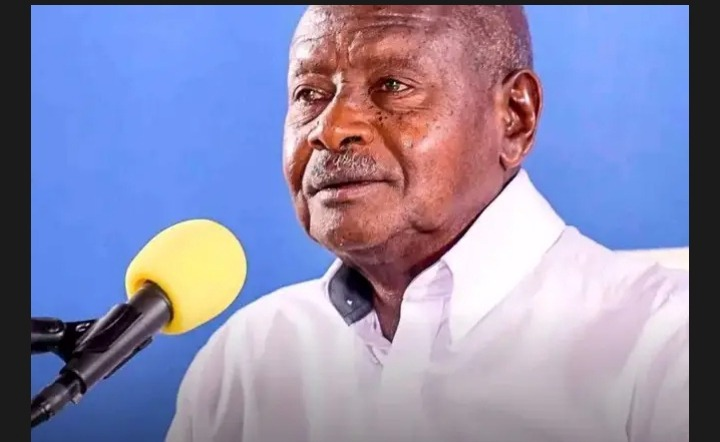
A 20-year-old Ugandan university student has been handed a prison sentence after admitting to spreading false information on TikTok about President Yoweri Museveni and his son, Gen. Muhoozi Kainerugaba a case that has ignited intense debate over digital freedoms in the country.
The student, whose identity is withheld due to his age, was accused of circulating unverified claims suggesting President Museveni was seriously ill and that a power handover to his son was imminent.
A Ugandan court ruled the statements were false, intentionally misleading, and capable of causing unnecessary alarm.
During sentencing, the judge stressed that the young man knowingly published the misinformation, an act deemed a threat to national stability.
Although the law allows for a fine, the court opted for imprisonment, arguing that the gravity of the falsehoods warranted a stronger deterrent.
Authorities said the decision aims to discourage reckless use of social media, especially when discussing matters involving state leadership and national security.
The case, however, is far from over. The student faces an additional cyber-related charge, which he denies.
Trial proceedings for the third count are scheduled to begin in the coming weeks.
Online, the verdict has split public opinion. Some Ugandans view the sentence as excessive for a first-time young offender, while others insist that protecting national leaders from harmful digital defamation is essential in politically delicate times.
Digital rights advocates warn that without clear boundaries, such convictions could suppress legitimate expression and criticism.
Yet as the student begins his term, one message from the courtroom stands out: Uganda is tightening its grip on cyber misconduct, and a single viral post may now carry steep consequences.





Leave feedback about this