
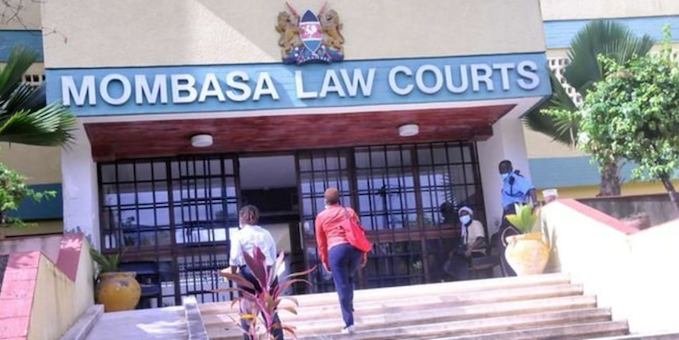
A long-running disagreement between KISCOL and the government has finally been settled in court after years of delays, interruptions and financial losses.
The company had faced many challenges in trying to develop its sugar project, and these challenges kept growing as different government actions and omissions made it difficult for the investor to use the land as planned.
The situation eventually became so difficult that the project could not move forward, leading to large debts and repeated restructuring efforts.
What was meant to be a major investment slowly turned into a prolonged struggle that has now ended with a significant court award.
According to the court record, one of the first problems came from the company’s limited access to its concession.
A large portion of the land had been taken over by squatters, and although KISCOL later obtained favourable court declarations confirming its ownership, the government did not remove the people occupying the land.
This meant that almost half of the concession could not be used, which directly affected the company’s ability to plant cane and lay the foundation for the sugar mill.
Matters worsened when the State carved out around 2,500 acres of the leased land for the mining company Base Titanium.
The ruling pointed out that this land was taken without any compensation to the investor and without any offer of alternative land.
The court noted that this increased the company’s difficulties at a time when it was already struggling to start operations.
These actions were described as part of a pattern of obstruction that grew slowly but steadily over the years.
Justice Wangari explained that what appeared to be simple administrative delays eventually turned into systemic obstruction that made it almost impossible for the company to carry out its investment plans.
The interruptions prevented KISCOL from planting cane on time and from beginning construction on the sugar mill. Without progress, the company fell into repeated debt restructuring cycles as it tried to keep the project alive.
Over time, the situation became unsustainable, and the project’s future remained uncertain.
The government had argued in court that it had done its part and that the claim by the investor was filed too late.
However, the judge dismissed these arguments, noting that the evidence showed the government had not taken key steps that were necessary under the lease agreement.
The court ordered the State to pay Sh24 billion to the investor, along with interest and legal costs. This amount is expected to increase once the final figures are worked out.
The ruling brings closure to a dispute that has lasted 13 years. For the investor, it marks the end of a lengthy struggle to have its concerns recognised, and for the State, it signals the conclusion of a case that has been closely watched in the investment sector.
Leave feedback about this