
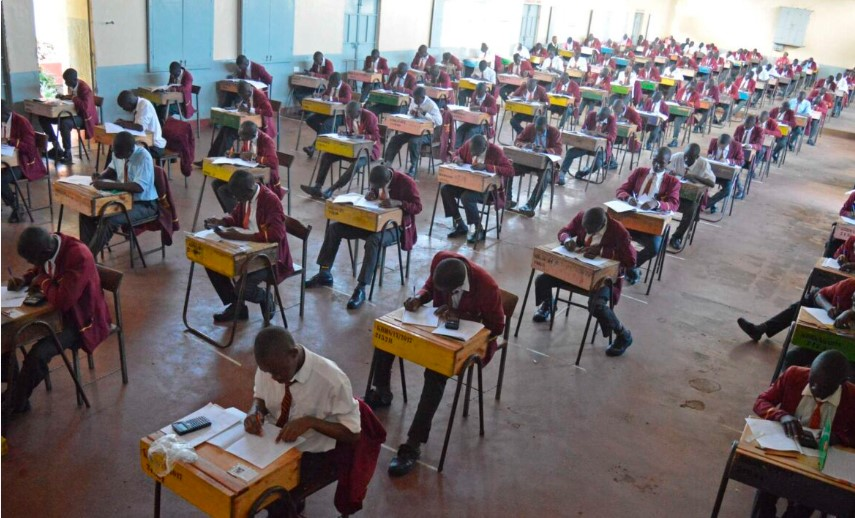
The Ministry of Interior has intensified efforts to secure the 2025 Kenya Certificate of Secondary Education examinations by setting up a 24-hour surveillance system to monitor social media platforms.
The move comes amid growing fears that online networks have become a breeding ground for exam leaks and fake papers targeting anxious students and parents.
According to Interior Principal Secretary Raymond Omollo, the government has activated a multi-agency team operating from the National Command Center to detect and respond to any suspicious digital activity related to the exams.
He emphasized that this round-the-clock monitoring aims to protect the credibility of the national tests and prevent criminals from taking advantage of the examination period.
Omollo said that the surveillance involves close coordination between the Ministry of Education, law enforcement agencies, and digital intelligence units that track groups and individuals suspected of circulating fake exam materials.
He explained that the operation will focus mainly on popular messaging apps such as WhatsApp and Telegram, which have been identified as the main platforms used for leaking exams in past years. His announcement followed a report by the Kenya National Examinations Council showing that at least 51 Telegram channels were being used to share alleged exam materials, out of which only 18 had been successfully flagged and shut down.
The report also confirmed that WhatsApp remained a major concern because of its wide usage among students and teachers.
This year’s KCSE will see close to one million candidates sitting for their final exams, which will begin on November 3 and run for 18 days until November 21. With such a large number of students, authorities are working to ensure that every paper is administered fairly and that the credibility of the education system is not undermined by digital fraud.
The Interior Ministry’s announcement is part of a larger national effort to maintain exam integrity following several years of cases involving leaked papers and impersonation syndicates.
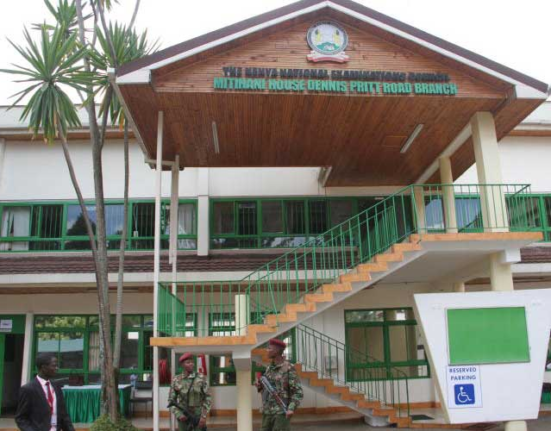
Kenya National Examinations Council CEO David Njengere earlier announced new measures designed to improve security and transparency during the 2025 examinations.
One of the major reforms is the introduction of personalized exam papers, where each paper will carry the student’s name and index number.
Candidates will also sign both the paper and its counterfoil, which will be collected separately by supervisors to enhance accountability. Njengere also confirmed the continued use of double collection of exam papers, a system where scripts for the second session of the day are only released shortly before the test begins.
This is meant to limit opportunities for early exposure and reduce the risk of leaks.
The combined measures by KNEC and the Ministry of Interior highlight the government’s growing concern about digital malpractice and its potential to damage the credibility of national exams.
With more young people relying on social media for communication and information, exam cartels have increasingly turned to online spaces to operate. The 24-hour surveillance plan, therefore, marks a significant shift in how the government approaches exam security in the digital era.

Leave feedback about this