
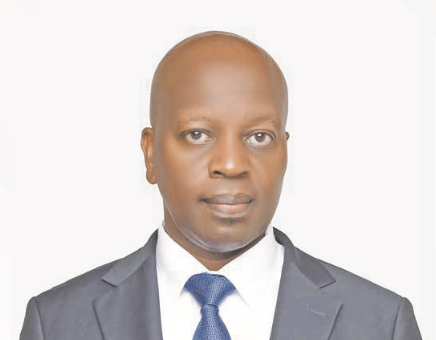
Kenya’s judiciary has once again found itself on the spotlight, this time with the name of Judge Fred Nyagaka at the center of disturbing allegations.
Nyagaka, a judge of the Environment and Land Court who has worked in the legal profession for more than two decades, now faces claims that could seriously damage public trust in the institution he serves.
Appointed in 2021, the judge has handled weighty cases in places like Kitale, but his reputation is now clouded by accusations of demanding a bribe in exchange for a favorable court ruling.
The allegations focus on a land dispute in Migori where Nyagaka is said to have asked for a 10 million shilling payoff to sway the outcome.
These claims did not remain confined to whispers in legal corridors. They spread quickly through social media platforms, with videos and posts being shared widely.
Such accounts have drawn widespread anger, with many Kenyans expressing dismay that a sitting judge could allegedly treat justice as a commodity for sale.
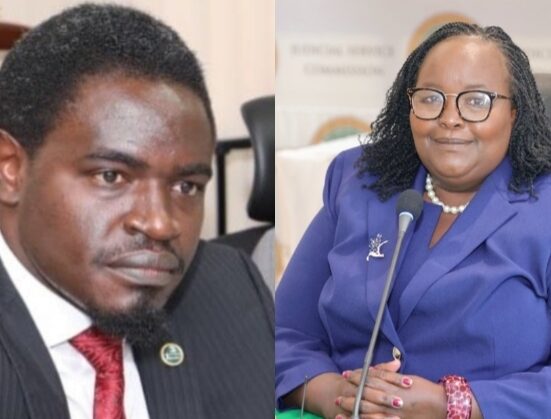
Former Law Society of Kenya president Nelson Havi has been one of the strongest critics of how this matter is being handled. Through his social media pages, Havi has insisted that the Ethics and Anti-Corruption Commission (EACC) must take over investigations.
In his view, the Directorate of Criminal Investigations (DCI) has shown more interest in silencing voices raising the matter than in pursuing the truth.
Havi has argued that if evidence exists, Nyagaka should be prosecuted in court like any other Kenyan and not shielded by his judicial office.
The drama intensified when journalist Collins Kweyu of the Standard Group was arrested while pursuing this very story.
His detention has been widely condemned as an attempt to suppress reporting on corruption in the judiciary.
Reports suggest Kweyu was following leads directly linked to the bribery claims when he was picked up.
For many observers, this incident has shifted the debate beyond the judge’s alleged conduct to broader concerns about press freedom and accountability in Kenya. A judiciary already struggling with public perception now faces even greater scrutiny.Reactions online have been sharp. Some users have described the situation as evidence of a “criminal enterprise” in the High Court, warning that public confidence in the justice system is being eroded.
Others have called for transparency and accountability, stressing that land disputes in Kenya affect ordinary people in profound ways. If judges handling such cases can be accused of trading justice for money, then the very foundation of the courts is at risk.
So far, Nyagaka has remained largely silent on the matter, and no formal charges have been filed. But silence has only fueled speculation. His long academic and professional background, including a doctorate in law, is now overshadowed by unanswered questions about integrity. Meanwhile, the arrest of a journalist for digging into the allegations has revived memories of past attempts to silence whistleblowers and reporters rather than address the core issues.
This case is more than just about one judge. It exposes deep cracks in Kenya’s justice system and highlights the urgent need for independent investigations. Land disputes are among the most sensitive and emotionally charged cases in the country. If the public begins to believe that these cases can be bought and sold, faith in the courts will collapse.
At a time when citizens expect fairness, even the perception of corruption at the top threatens to destroy years of progress.
The outcome of this saga will be closely watched. If the matter is swept under the rug, it will deepen distrust and embolden those who see the judiciary as untouchable.
If handled with transparency, however, it could become a turning point in cleaning up a system that has long been dogged by corruption claims.


Leave feedback about this