
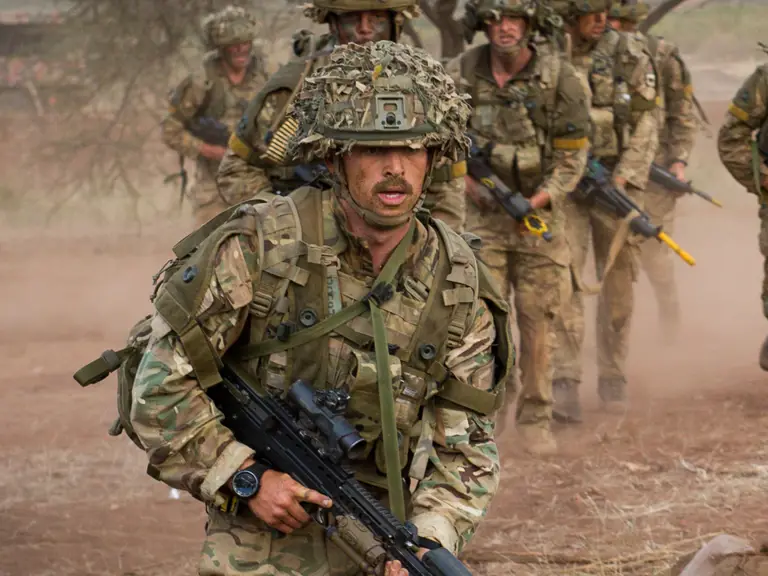
The controversy surrounding the British Army Training Unit in Kenya has sparked deep concern after reports emerged that several soldiers are being investigated for rape and sexual assault during their stay in Laikipia County.
These allegations, tied to incidents stretching back to 2022, have raised tension between the British military presence in Kenya and the local communities living near the training base.
Local leaders and human rights groups have voiced anger over the claims, insisting that the safety and dignity of Kenyan women and girls must not be compromised in the name of international cooperation.
The victims reportedly include women and young girls from nearby communities, with multiple incidents pointing to a pattern of abuse rather than isolated cases. For many, these revelations have reopened long-standing debates about the true cost of allowing foreign troops to operate within Kenyan borders.
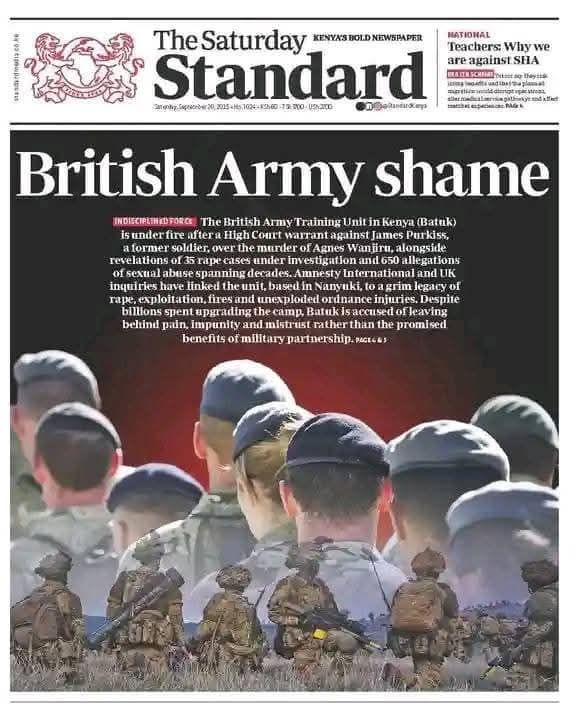
Investigations have now been launched jointly by Kenyan authorities and British military police, a move that is being coordinated by the Ministry of Defence, the Directorate of Criminal Investigations, and the UK High Commission in Nairobi.
Interior Principal Secretary Raymond Omollo confirmed in a press briefing that the matter is being treated with the seriousness it deserves.
He assured the public that justice must be served and that those found guilty will face consequences. His comments sought to calm growing public frustration but also highlighted the pressure the government faces in balancing diplomatic relations with the United Kingdom and responding to local outrage.
The British Ministry of Defence has also confirmed awareness of the allegations. A number of soldiers have been recalled for questioning as part of the investigations.
The UK government has emphasized its respect for Kenyan sovereignty and reaffirmed its position that the rule of law must guide the process. Still, many Kenyans remain sceptical about whether foreign military personnel will truly face justice for crimes committed on Kenyan soil, with past cases raising concerns about accountability.
Local leaders, such as Laikipia Woman Representative Jane Kagiri, have been vocal in demanding not only justice but also structural changes. She called for an immediate suspension of BATUK operations until the probe is complete, stressing that communities in Laikipia have borne the brunt of abuses linked to the presence of the foreign troops.
Civil society organizations have echoed these calls, pointing to a history of grievances against BATUK that include environmental damage, unresolved criminal complaints, and the danger posed by unexploded ordinances left behind after training exercises.
This growing scandal has reignited calls for a review of the bilateral defence agreement that grants the British Army a base in Laikipia. Activists argue that Kenya must rethink the costs and benefits of such cooperation, especially when it leads to alleged abuses that erode trust and harm local communities.
The pressure is on both the Kenyan and British governments to show that justice will not only be done but also seen to be done.
The way this case is handled may reshape the future of foreign military presence in Kenya and could set a precedent for how issues of accountability are addressed when international forces operate within sovereign states.





Leave feedback about this