
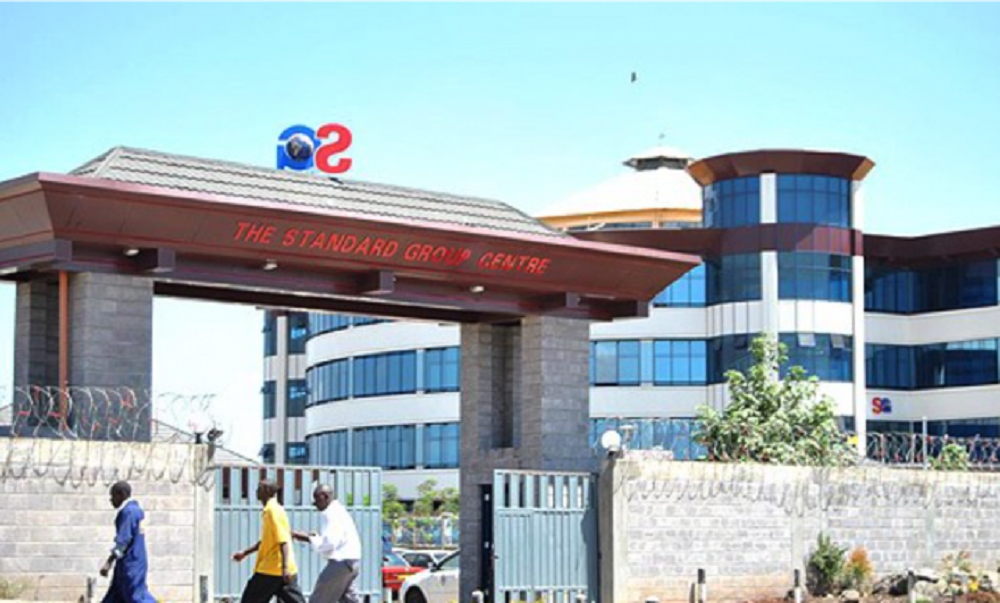
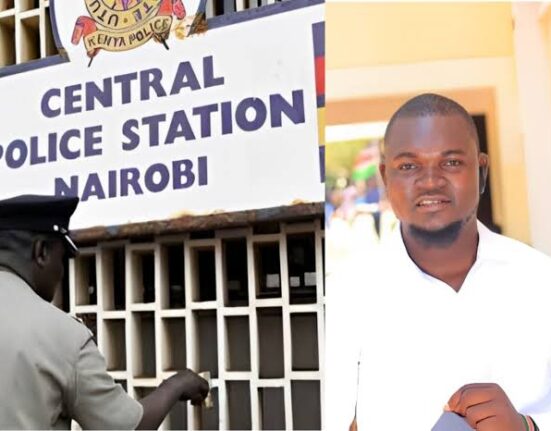
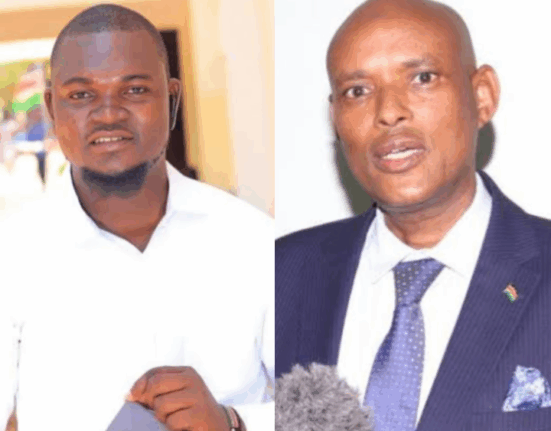
Collins Kweyu, a journalist working with the Standard Group, is now in police custody after being arrested and taken to the Central Police Station.
Reports indicate that his detention stems from a complaint filed by a judge based in Migori. According to Kweyu, the issue is tied to his ongoing investigation into claims that the judicial officer in question had been linked to a KSh 10 million bribe.
His arrest has since triggered strong reactions within the media community, with many viewing it as a dangerous step against press freedom in the country.
The Crime Journalists Association of Kenya (CJAK) quickly came out to condemn the arrest, arguing that it was nothing more than a move meant to silence a journalist who was trying to uncover possible corruption in the judiciary.
The association pointed out that the timing of the arrest, which happened late on a Friday evening, seemed to be intentional.
They noted that such timing could be a deliberate plan to hold Kweyu over the weekend without giving him access to a court until Monday.
CJAK Secretary General Brian Obuya issued a statement where he strongly criticised the action, describing it as an abuse of state power and an attack on the rule of law.
He argued that silencing journalists investigating corruption sets a dangerous precedent, as it undermines the constitutional protections guaranteed to both the media and the public’s right to information. The association also raised concern over a court order that allowed police to search Kweyu’s home and seize his computer equipment.
They said this was a thinly veiled attempt to expose his sources and intimidate others from sharing information with the media.
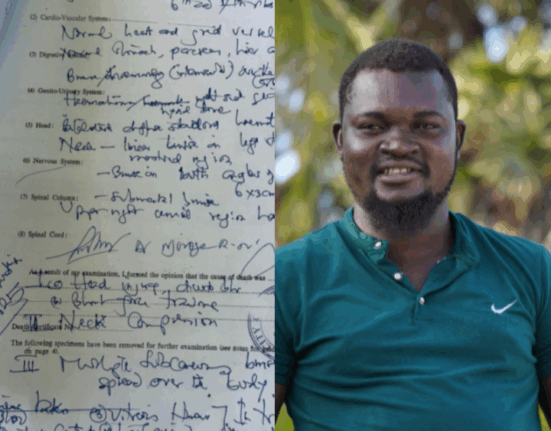
The association stressed that in journalism, protecting sources is fundamental, and any attempt to force a journalist to reveal them is a violation of press freedom. CJAK reminded the public and the authorities of the case of journalist Albert Ojuang’, who died under unclear circumstances while in police custody.
They warned that such a tragedy should never be repeated, and that journalists must be safeguarded while carrying out their professional duties.
CJAK demanded Kweyu’s immediate release or his prompt presentation in a court of law, insisting that the police and judicial officers involved must be held accountable.
They said that a free press is a cornerstone of democracy, and without it, corruption and abuse of power would thrive unchecked. The association made it clear that they would continue defending journalists’ rights, vowing not to allow intimidation or harassment to derail the role of the press in exposing wrongdoing and holding powerful institutions to account.


Leave feedback about this