
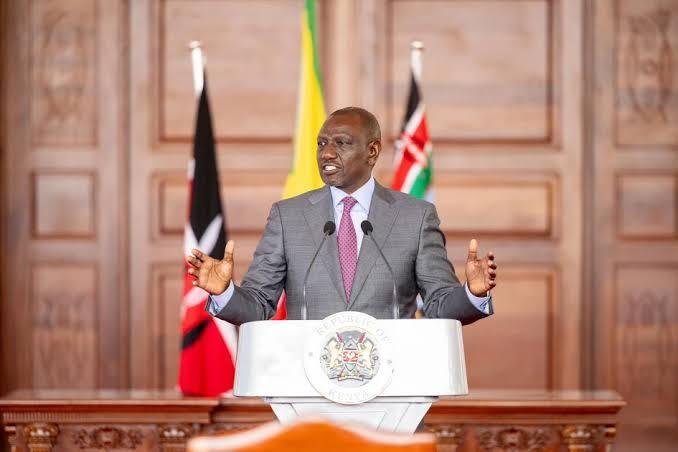
President William Ruto recently revealed that the government has been spending millions of shillings to hire lobbyists in the United States, sparking a new conversation among Kenyans about the use of public resources.
He explained that the main goal behind this decision is to safeguard Kenya’s image in the international space while ensuring that the country’s views and concerns are considered in global platforms.
According to him, lobbying is a tool that many countries use to gain visibility and influence in places where key global decisions are made.
Ruto defended the practice by pointing out that the modern world is competitive and requires countries to put in extra effort to secure their place in discussions around trade, investment, and security.
He insisted that Kenya cannot afford to be passive, as this could result in missed opportunities or even misrepresentation on issues that directly affect the nation.
By hiring lobbyists in Washington, he argued, Kenya gains access to decision-makers who shape policies that impact not just Africa but also smaller economies seeking global partnerships.
In his view, the millions spent should not be seen as money lost but rather as an investment in the country’s future.
He underlined that decisions made in foreign capitals often determine the flow of aid, trade agreements, and investment opportunities, and it is crucial for Kenya to position itself strategically.
Ruto emphasized that the lobbyists are serving the nation, not his personal image, and that their work will eventually help create opportunities that benefit ordinary citizens.
However, the revelation has drawn mixed reactions at home.
A section of Kenyans has questioned the timing and necessity of spending so much money abroad when the country is struggling with urgent domestic challenges.
Many citizens point to the rising cost of living, high levels of unemployment, and the strain on the education sector as areas where resources should be directed.
For them, it is difficult to justify why millions should go into lobbying in the United States while people continue to struggle with basic needs.
On the other hand, there are those who see the move as a necessary step in advancing the country’s long-term goals.
Supporters argue that international influence eventually trickles down into local benefits through increased foreign investment and stronger bilateral relations.
They believe that ensuring Kenya has a strong presence in Washington is a smart strategy in a world where powerful nations often shape the global economic and political agenda.
Ruto has urged Kenyans to consider the bigger picture, reminding them that global partnerships remain a significant factor in driving development.
He noted that many of the projects funded through foreign aid and investments come as a result of strong diplomatic ties and international lobbying efforts.
While the debate continues, he has made it clear that his administration will keep using every available means to defend Kenya’s interests abroad, even if it means allocating funds for lobbying in influential global centers.
The discussion around this revelation highlights the delicate balance between addressing pressing local concerns and pursuing long-term international strategies.
For now, it remains a divisive issue among Kenyans, with the government standing firm on its position that lobbying is a worthwhile investment.


Leave feedback about this