
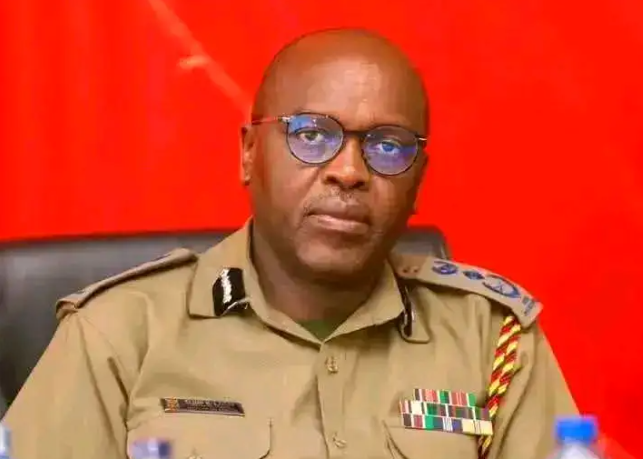
Deputy Inspector-General of Police Eliud Lagat has been cleared in the murder case of teacher and blogger Albert Ojwang, but many Kenyans are not convinced this is justice.
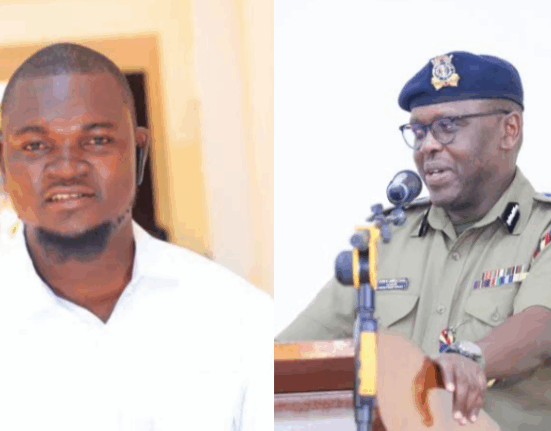
Ojwang, who was only 31 years old, was arrested in Homa Bay after Eliud Lagat made a complaint that the blogger had defamed him online.
After his arrest, Ojwang was taken to Nairobi’s Central Police Station, and hours later, he was found dead. The official police report claimed he had committed suicide, but a postmortem later confirmed that he died from blunt force trauma and neck compression.
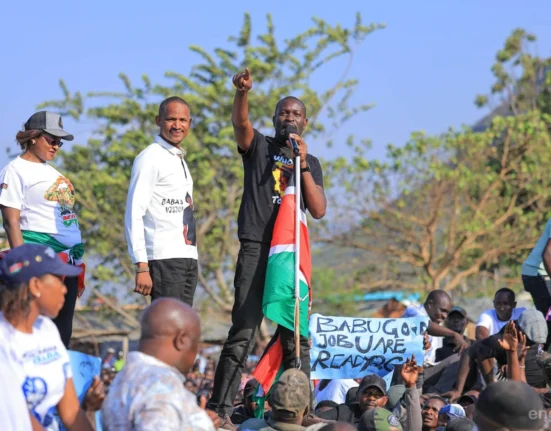
This clearly pointed to foul play.What followed was nationwide outrage.
Protests broke out, civil rights groups spoke up, and Kenyans demanded answers. The case gained even more attention when Lagat stepped aside on June 16, just days before Ojwang’s burial, to allow investigations to continue without interference.
But now, the Independent Policing Oversight Authority (IPOA) has released its findings, clearing Lagat of any direct involvement in the killing. They say there is no solid evidence linking him to the murder, despite the fact that Ojwang had been arrested because of his complaint.
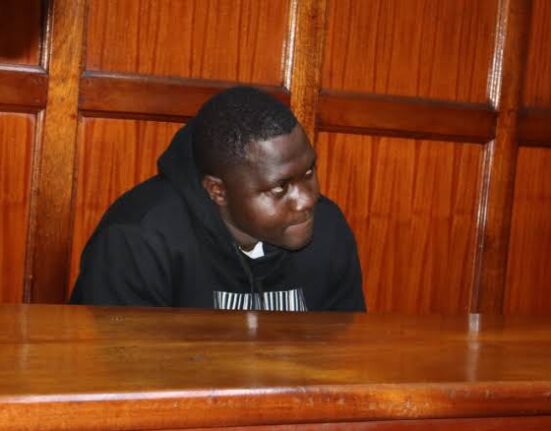
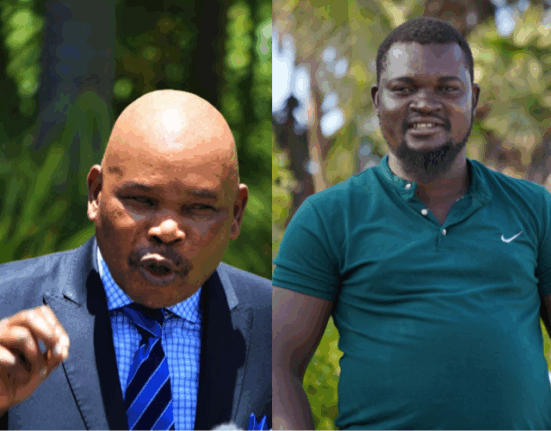
IPOA’s probe reportedly took statements from over 20 police officers, including Lagat himself. In the end, three police officers and three civilians were charged with the murder.
But critics believe the story is far from complete. The same IPOA report mentions ongoing investigations into possible cover-ups, including tampered CCTV footage and inconsistencies in police statements.
If that’s the case, then how can they confidently say Lagat had no involvement when the evidence might have been hidden or destroyed?
Many Kenyans believe that this is a clear example of a miscarriage of justice. Lagat may have been the one who triggered the chain of events that led to Ojwang’s death, yet he walks free while others take the fall.
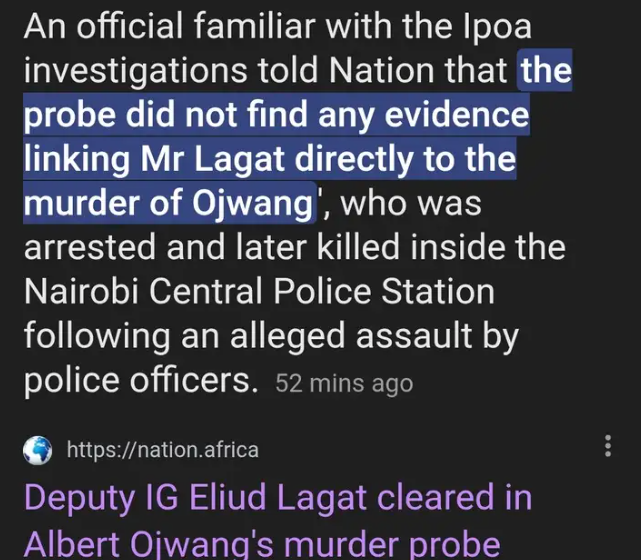
This case raises serious questions about accountability and how the system protects senior officials. Just because there is no direct evidence doesn’t mean Lagat’s hands are clean.
The fact that Ojwang was arrested because of Lagat’s complaint, and then died mysteriously in custody, cannot simply be dismissed.
IPOA says investigations are still ongoing, but clearing Lagat so early sends the wrong message. It tells the public that powerful people can hide behind technicalities while victims and their families are left with pain and no justice.
Until the truth comes out and every person involved is held accountable, the death of Albert Ojwang will remain a dark reminder of how justice in Kenya can be manipulated.
Leave feedback about this